7 hr
Blue Lagoon Beginner Scuba Diving Adventure
- Expert local guide
- Small group
- Skip-the-line access
- Free cancellation
Try Scuba Diving Bali — Beginner Dives & PADI Certification
Descend into coral gardens and WWII wrecks, guided by PADI-certified instructors
Compare fares, pick the fit — all bookings are mobile-voucher and eligible for free cancellation where shown.
7 hr
9 hr
72 hr
Choosing the right way to try scuba diving bali requires balancing your aquatic comfort with your long-term goals for exploring coral reefs. These underwater excursions range from single-session discovery programs to comprehensive scuba certification courses.
|
Top pick Discover Scuba Pool & Ocean Trial |
Open Water Course Full Certification | |
|---|---|---|
| Program Level | Introductory | Professional |
| Skill Requirement | None | Basic swimming ability |
| Depth Limit | Max 12 meters | Max 18 meters |
| Certification Outcome | None | PADI Open Water Diver |
| Time Commitment | Half-day | 3 to 4 days |
| Best for | First-timers | Aspiring divers |
| See tickets & prices |
Verdict: If you are a beginner wanting to see marine life without a long-term commitment, these try scuba diving bali tickets are your ideal starting point.
Worth it for safe, guided first dives
Bali's scuba programs eliminate the biggest barrier for beginners: uncertainty. Instructors provide one-on-one guidance, certified equipment, and boat transport to sites like the WWII Liberty Wreck in Tulamben or coral gardens at Blue Lagoon—places inaccessible to casual snorkelers. The Blue Lagoon Beginner Scuba Diving Adventure and similar entry-level packages include wetsuit rental, tank refills, and pre-dive safety briefings, which means you skip the logistical maze of sourcing gear and navigating marine parks independently. For those committing to certification, the PADI Open Water course spreads fundamentals across three days with shallow-water practice before open-ocean dives. Snorkeling costs less but caps visibility at surface level; try scuba diving Bali if you want to reach reef walls, swim-throughs, and pelagic corridors 12–18 meters down. The Nusa Penida and Lembongan routes add manta ray and mola mola sightings during seasonal windows, raising the value ceiling for wildlife enthusiasts.
Bottom line: If you've considered underwater exploration seriously, Bali scuba diving tours deliver professional structure and marine access that snorkeling simply cannot match.
They complement each other; most visitors who do both call try scuba diving bali the more thrilling way to experience the island's diverse marine biodiversity.
|
Top pick Scuba Diving |
Snorkeling | |
|---|---|---|
| Experience type | Immersive underwater breathing | Surface observation |
| Certification needed | No (Introductory program) | None |
| Equipment | Scuba unit and tank | Mask, fins, and snorkel |
| Depth | Up to 12 meters | Surface level |
| Key sight focus | Shipwrecks and walls | Coral reefs and schools |
| Typical duration | 3–4 hours | 2–3 hours |
| Accessibility | Suitable for beginners | Suitable for all ages |
| Price | Varies by package | Lower cost point |
| See tickets & prices |
Verdict: If you want to feel weightless and explore deeper reefs, try scuba diving bali for a deeper connection with the ocean, while snorkeling offers a quick and relaxing way to see the surface-level beauty.
Hand-picked experiences loved by thousands of travelers
8-9 hours
Free Cancellation
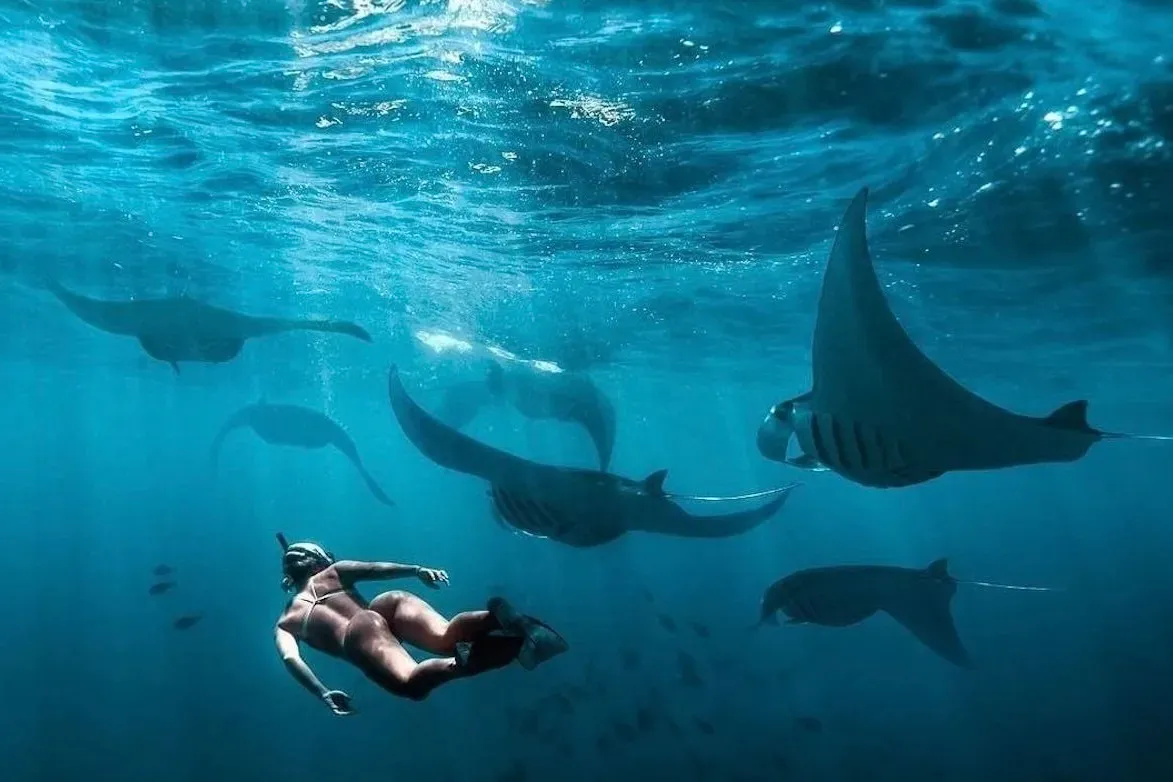
Explore Bali's underwater world with zero experience required. Two guided dives, manta ray encounters, and full support.
5 hours
Free Cancellation
Learn to dive in shallow water, then explore a legendary WWII shipwreck lying beneath the waves off Bali's coast.
9 hours
Free Cancellation
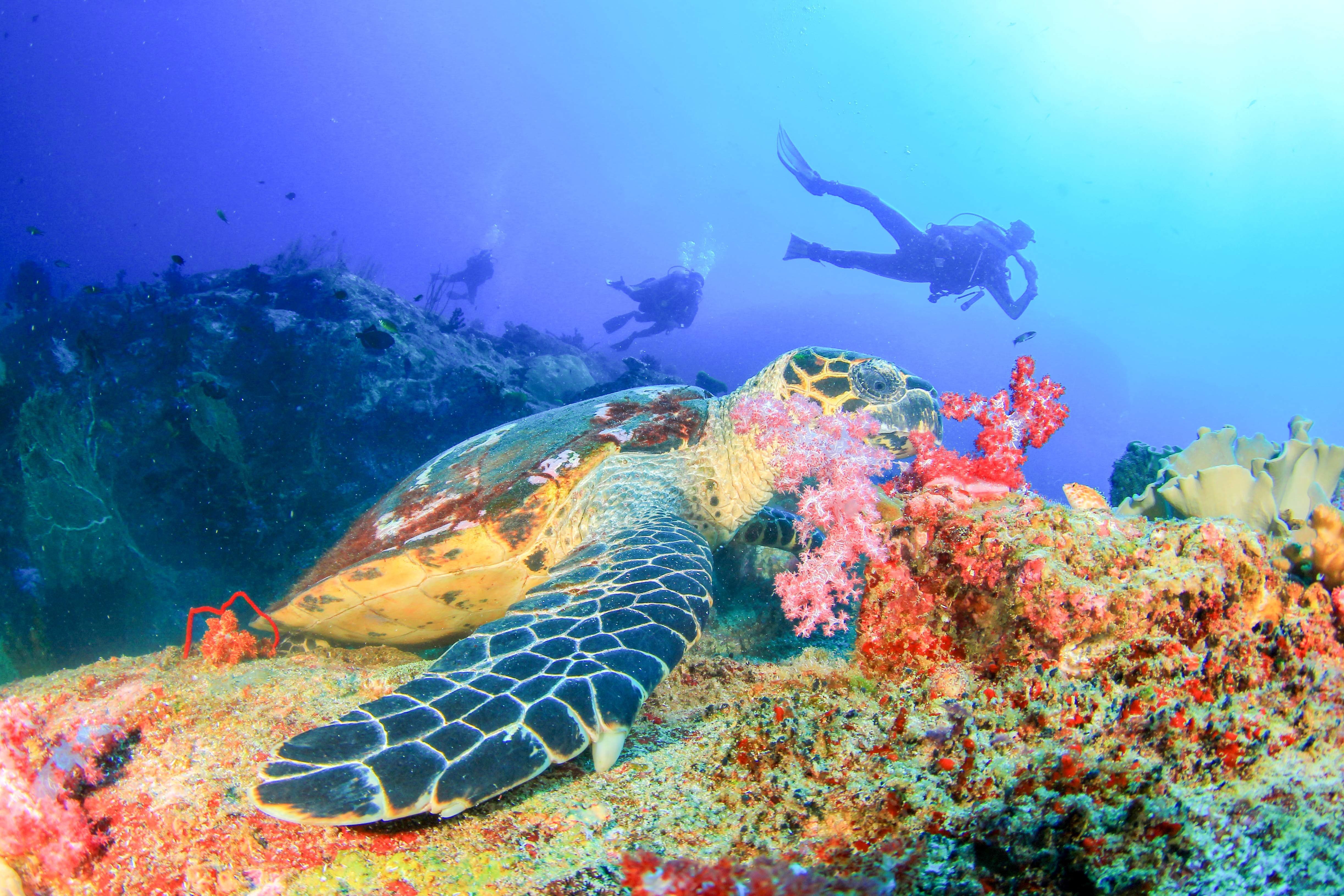
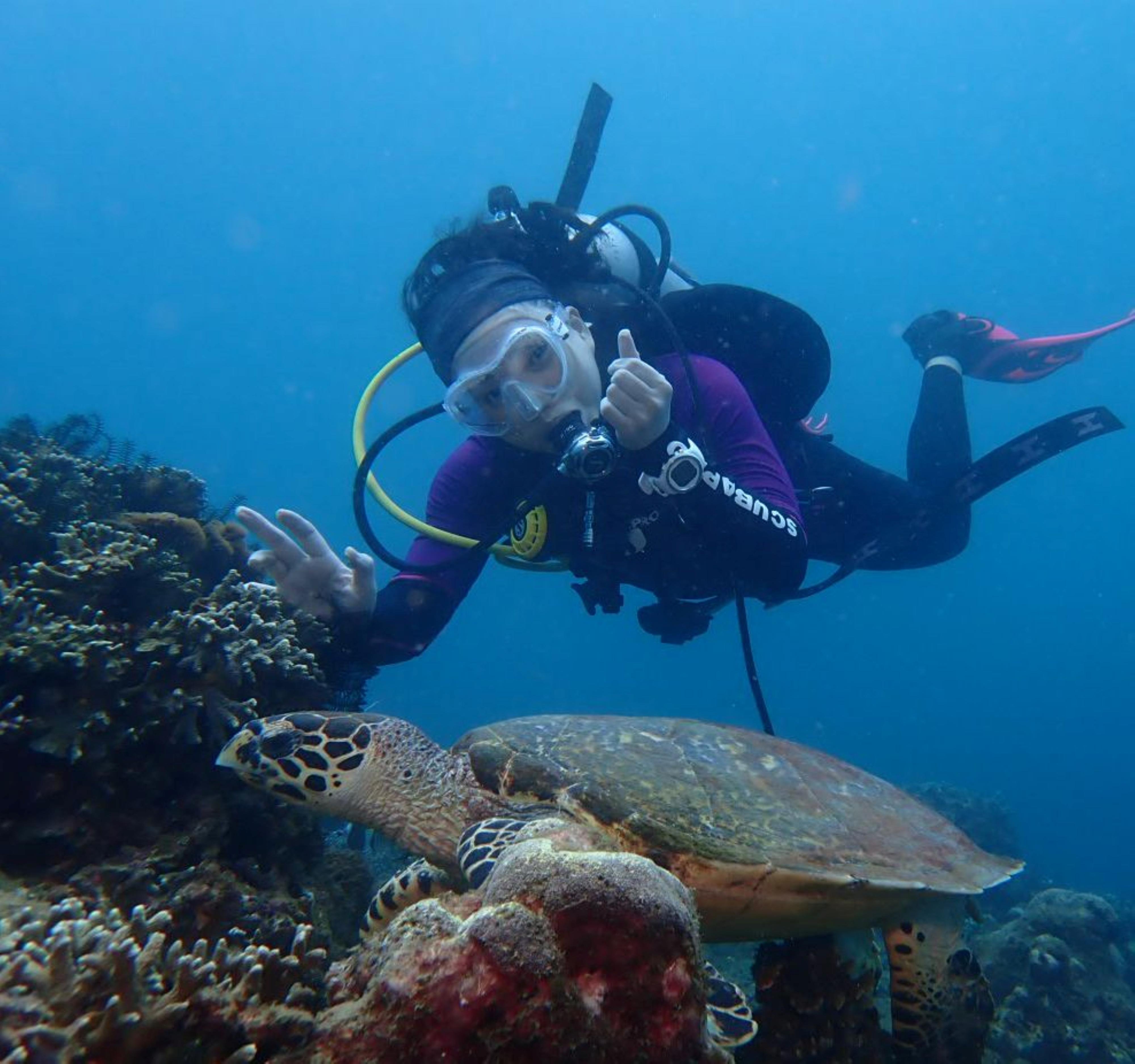
Beginner-friendly dive at Tulamben's legendary USAT Liberty wreck, teeming with turtles and coral
8 hours
Free Cancellation
Learn to dive in a training pool, then explore Nusa Penida's reefs with two guided open-water dives.
5 hours
Free Cancellation
Discover underwater Bali with personalized instruction, pool training, and two ocean dives at iconic sites.
5 hours
Free Cancellation
Discover underwater Bali with two guided dives at iconic sites including a famous shipwreck.
2 days
Free Cancellation
Advance your scuba skills with five ocean dives across Bali's best sites including a famous shipwreck
1.5 to 8 hours
Free Cancellation
Explore East Bali's premier dive site with vibrant reefs, tropical fish, and crystal-clear waters
A world-famous WWII shipwreck resting in shallow water perfect for beginners. The wreck is covered in soft corals and home to diverse fish species.
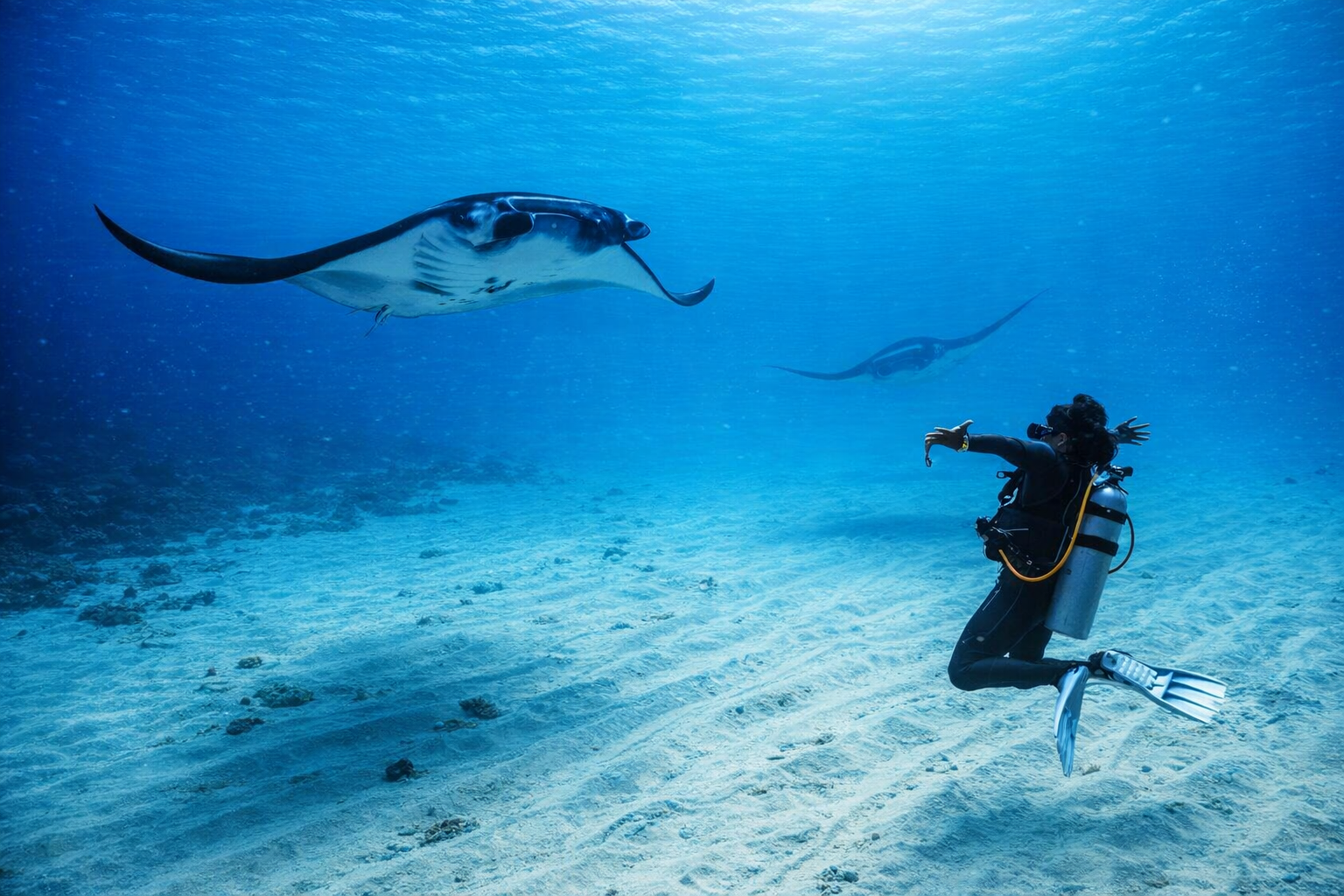
A renowned site for observing manta rays in their natural environment. It is a major highlight for those choosing a Nusa Penida dive.
Known for its clear waters and the occasional sighting of the elusive mola mola. This site provides a stunning coral reef backdrop.
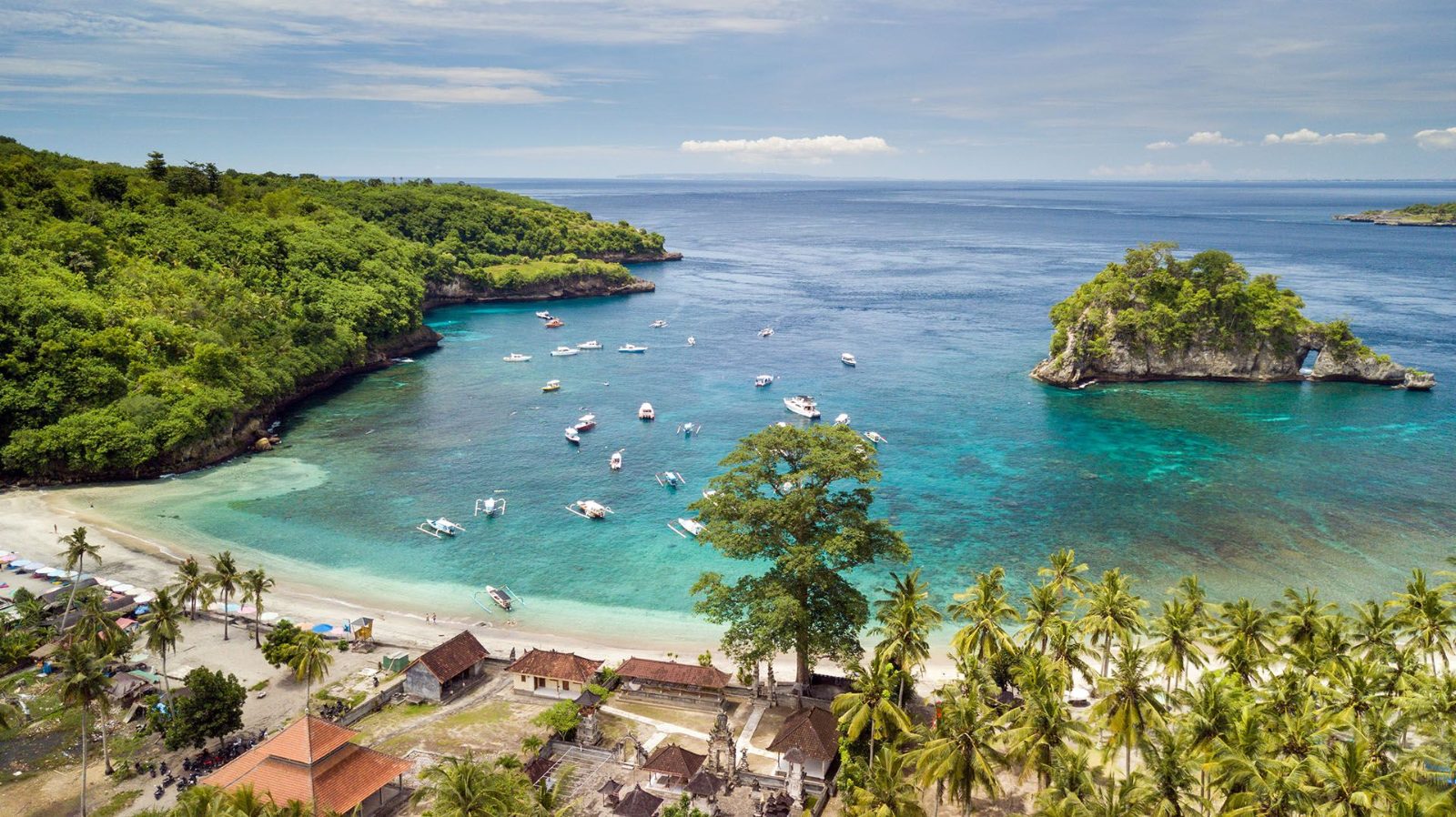
A peaceful site with calm waters and vibrant reef life. Ideal for first-time divers looking for a relaxed atmosphere.
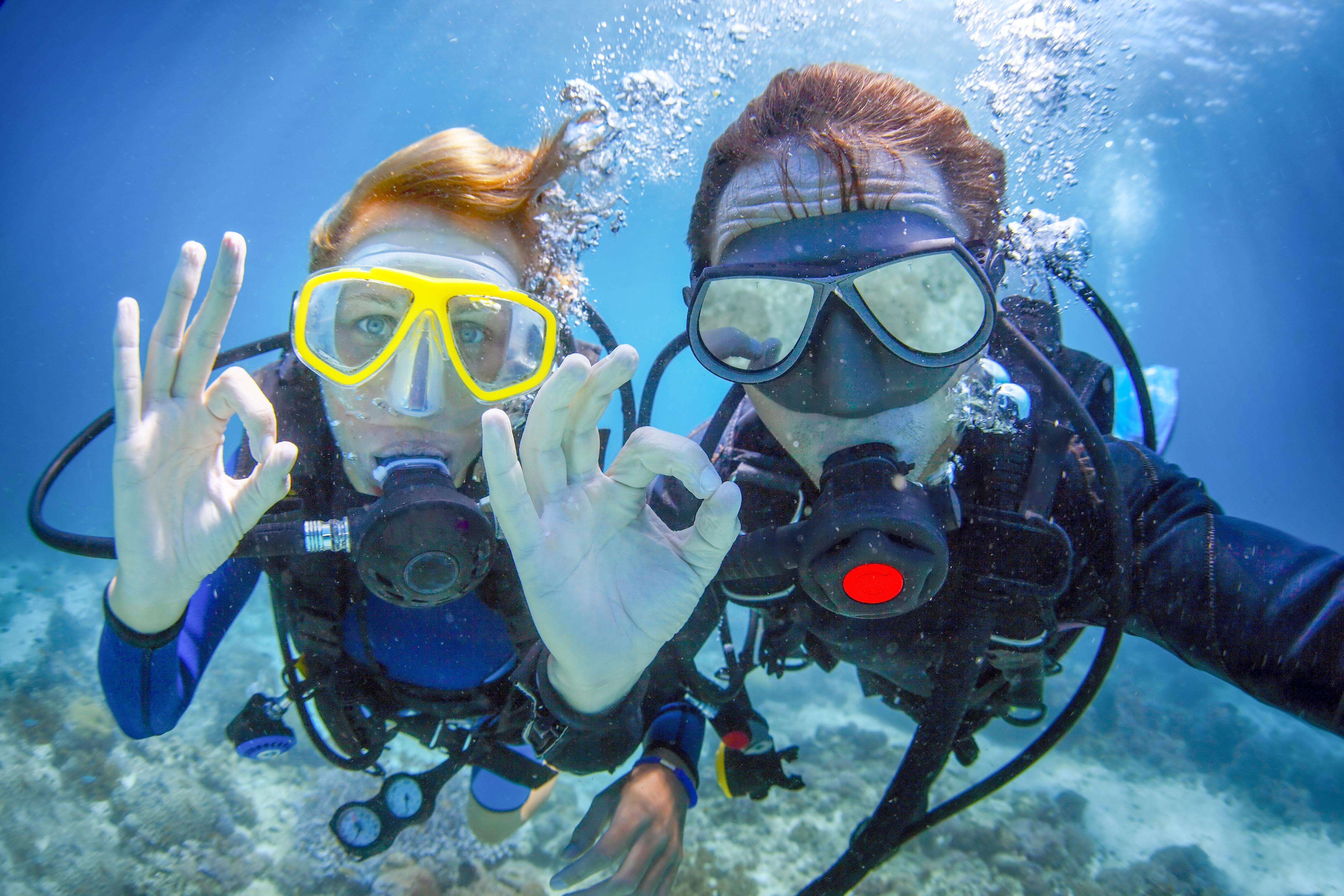
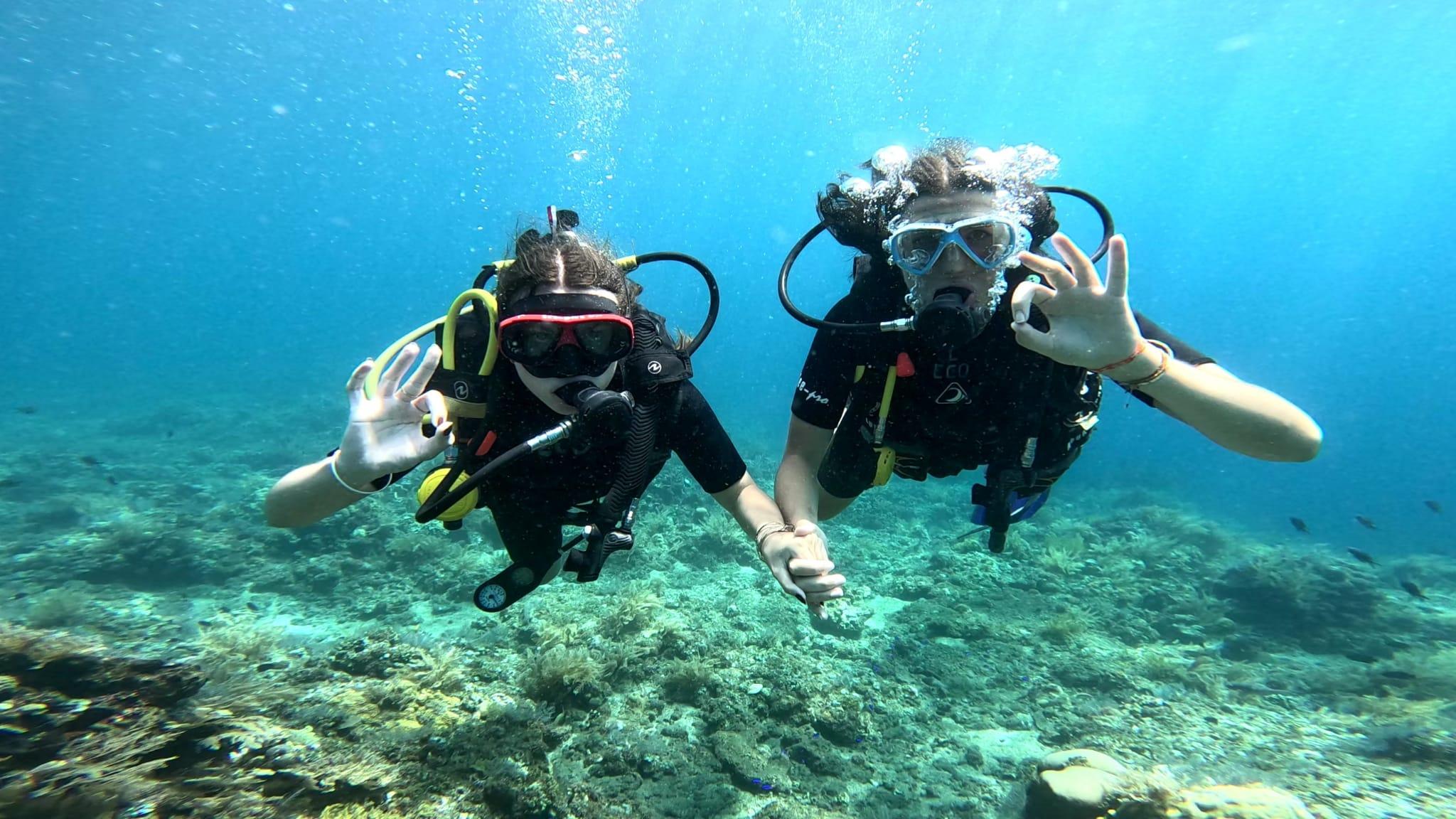
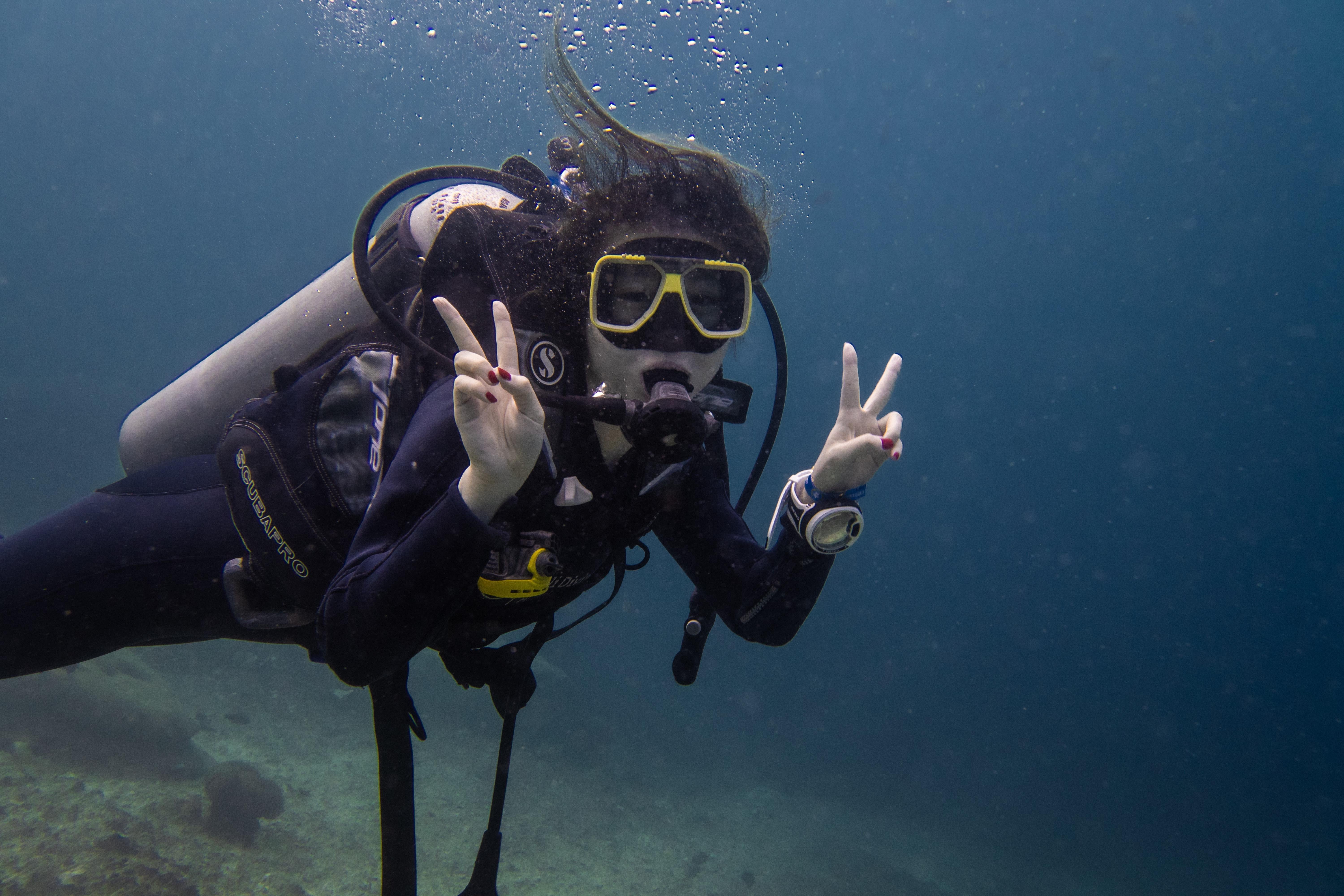
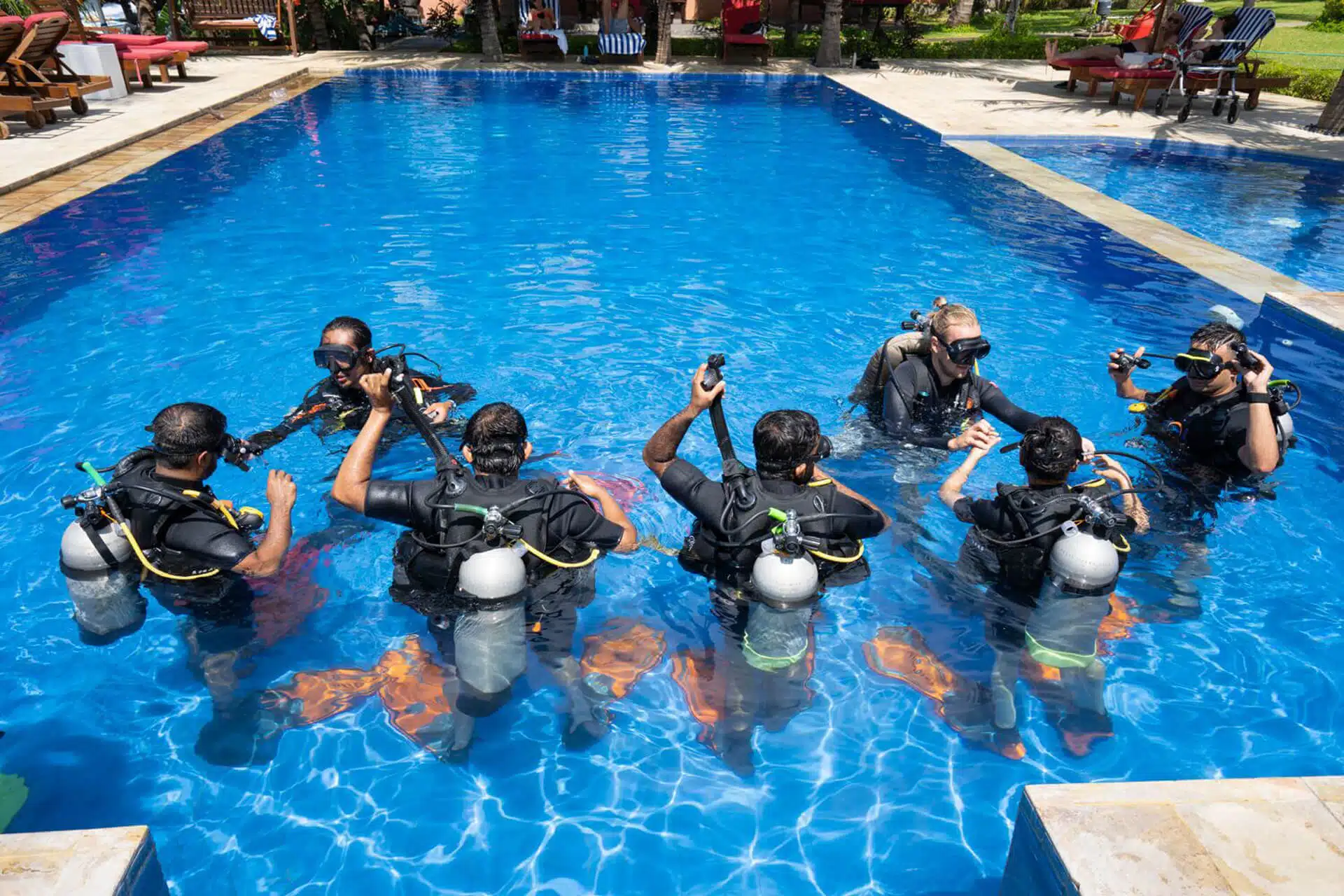
You wade into Blue Lagoon at dawn, when the sun angles low over Padang Bai's headland and the bay mirrors the sky. Your instructor runs through hand signals — OK, ascend, problem — then you kneel in chest-deep water, regulator in place, and practice clearing your mask.
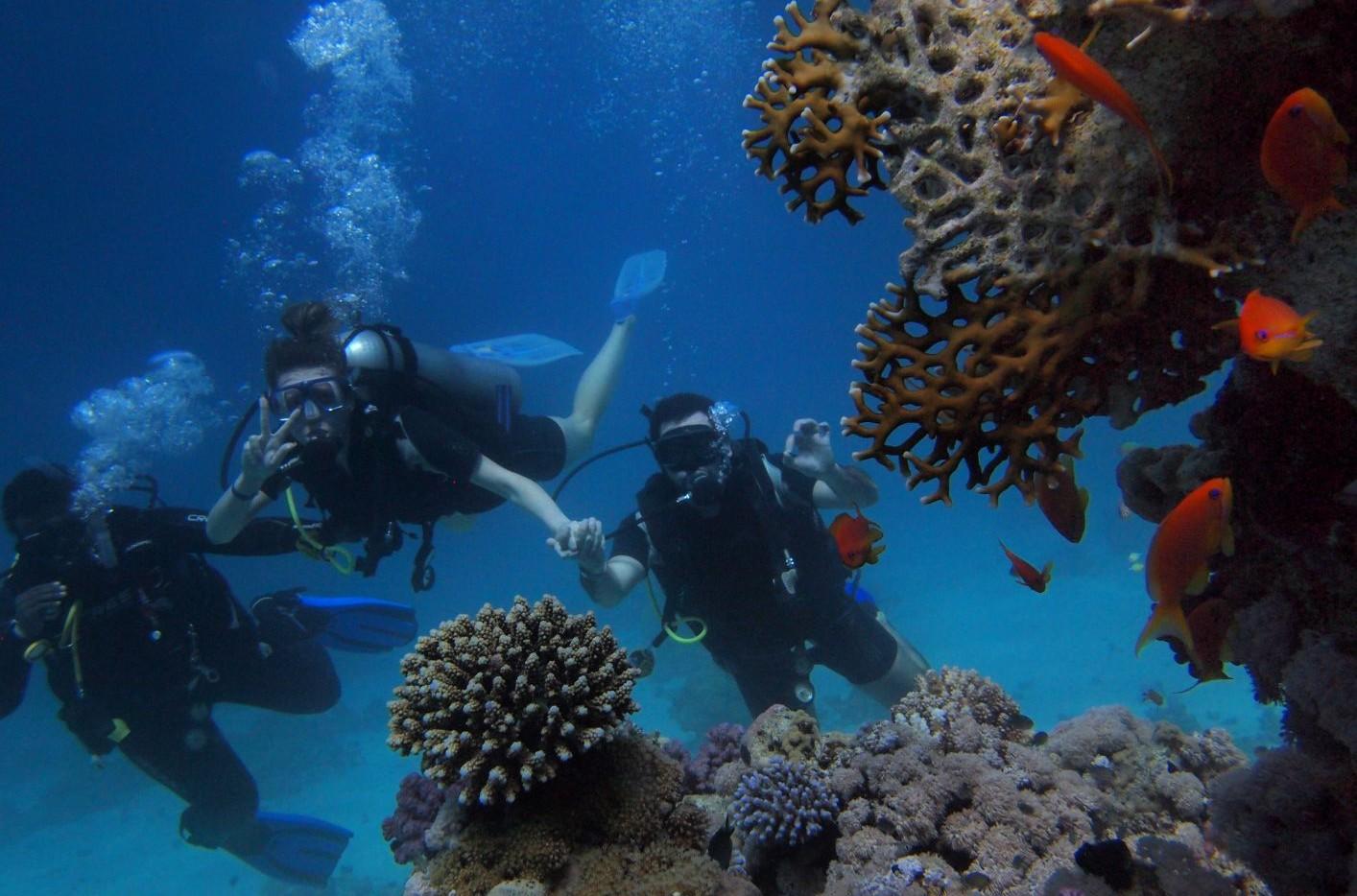
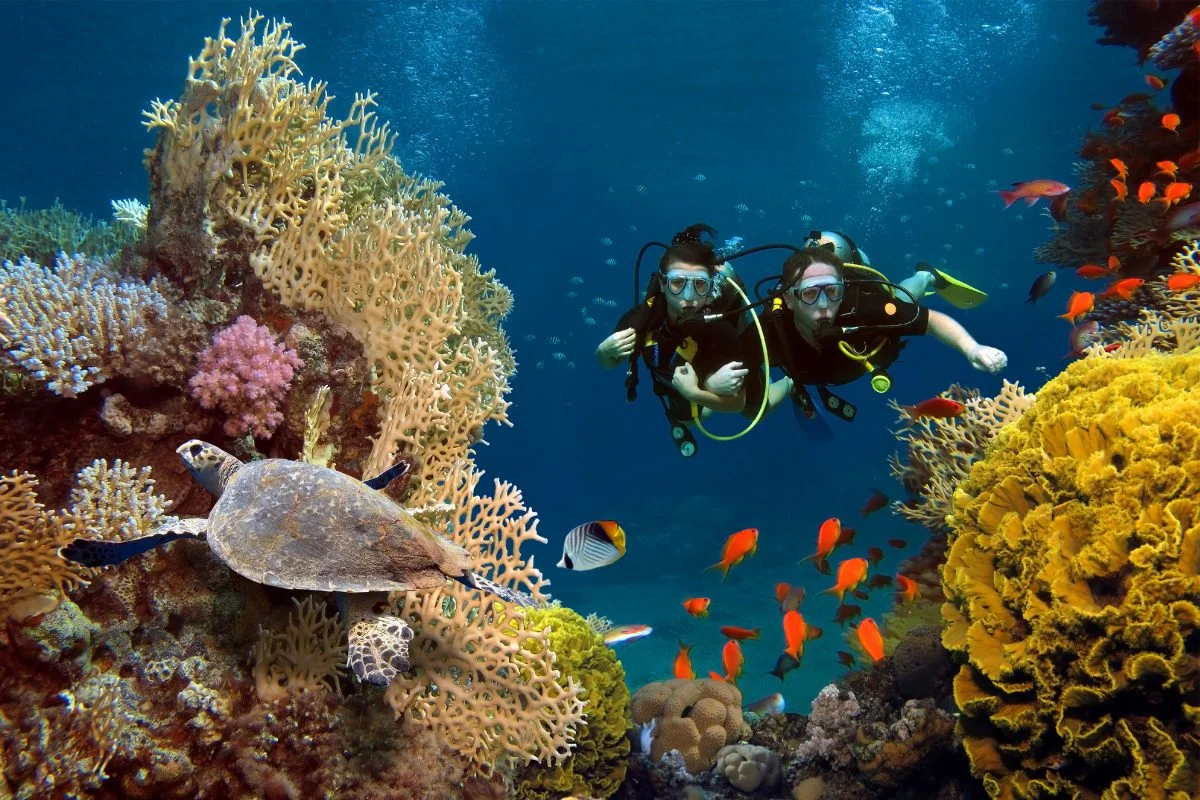
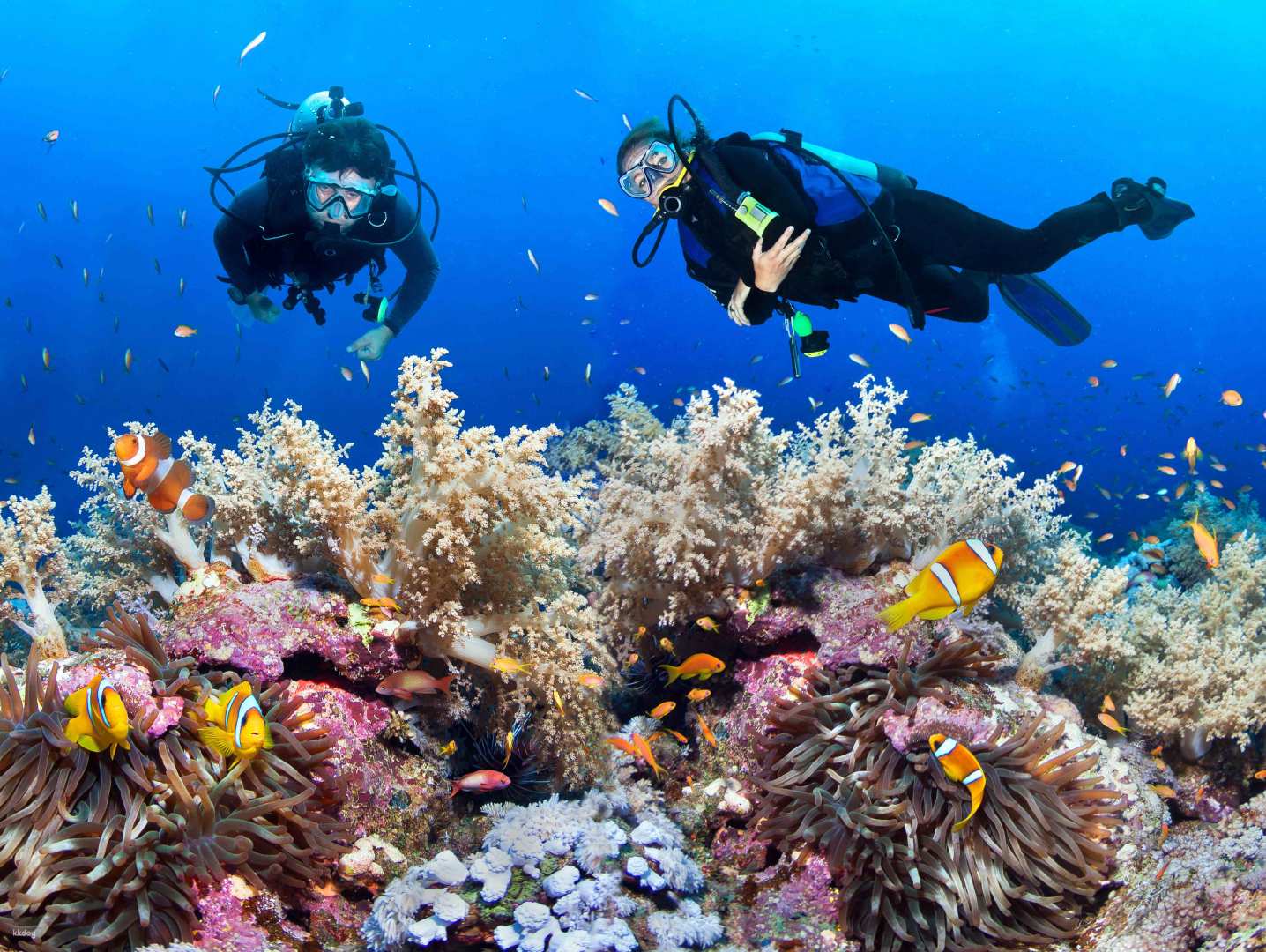
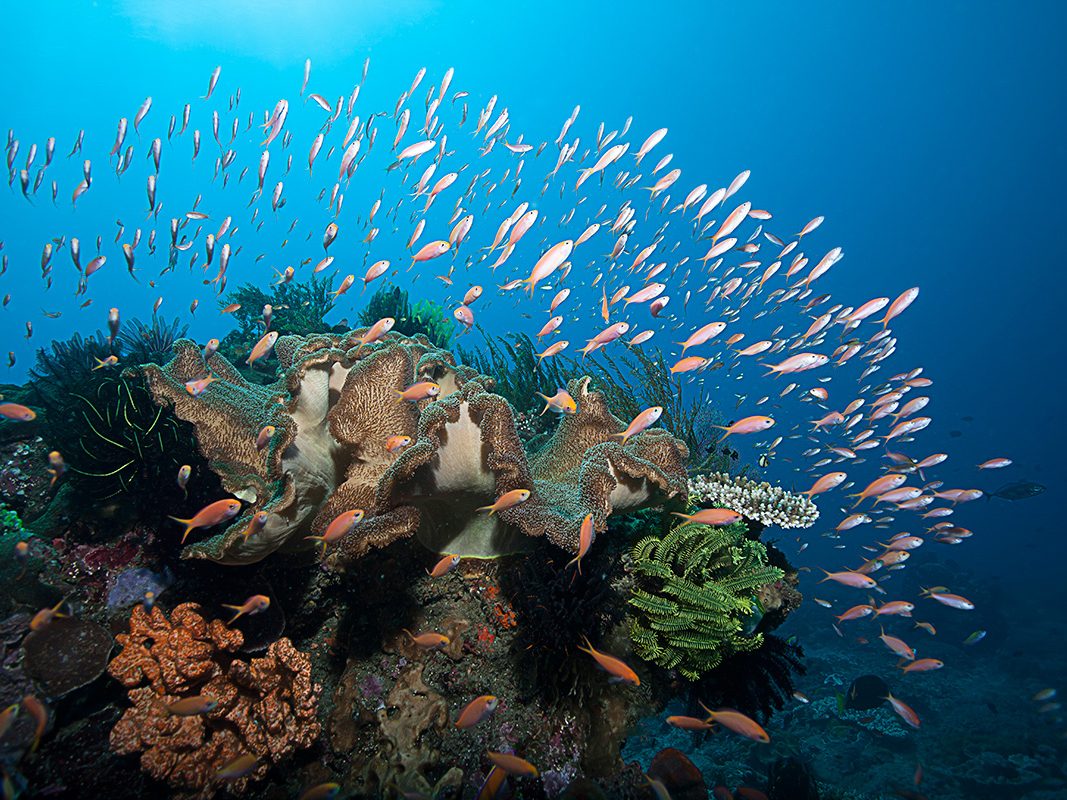
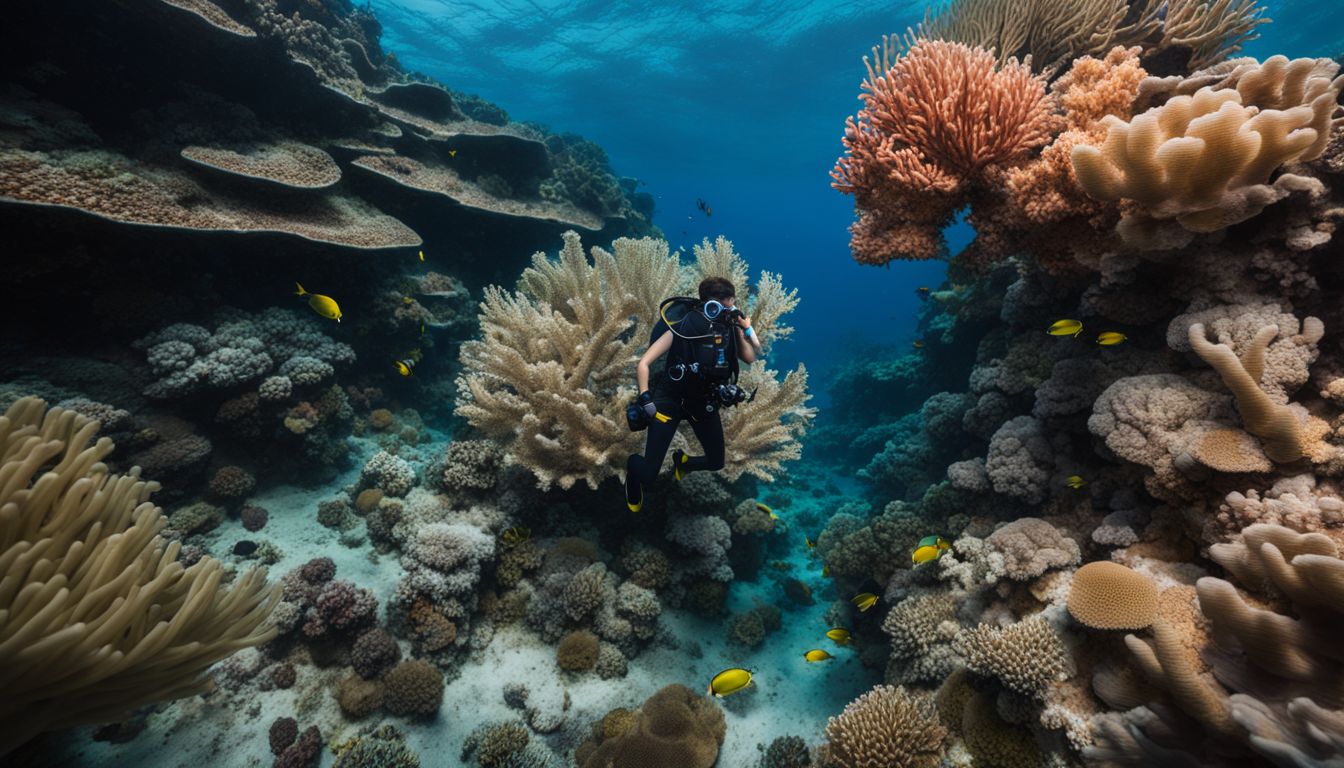
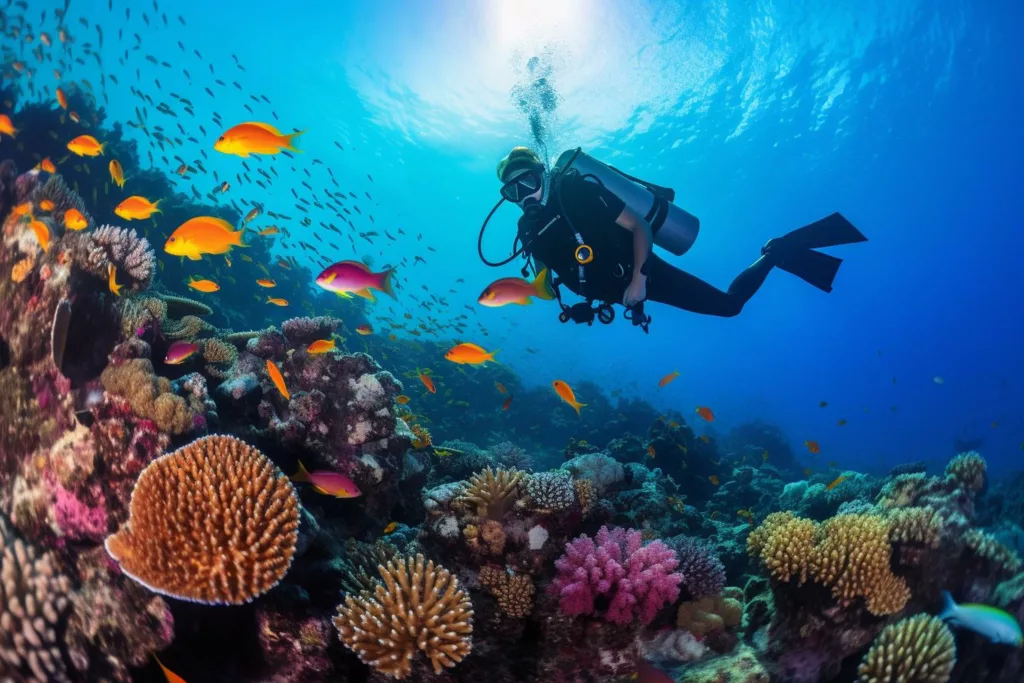
The first breath underwater feels mechanical, deliberate, but within minutes your breathing steadies into a rhythm. You descend along a sandy slope, equalizing pressure every meter, until the reef edge appears: table corals branching like antlers, anemones hosting striped clownfish, and parrotfish scraping algae from the substrate.
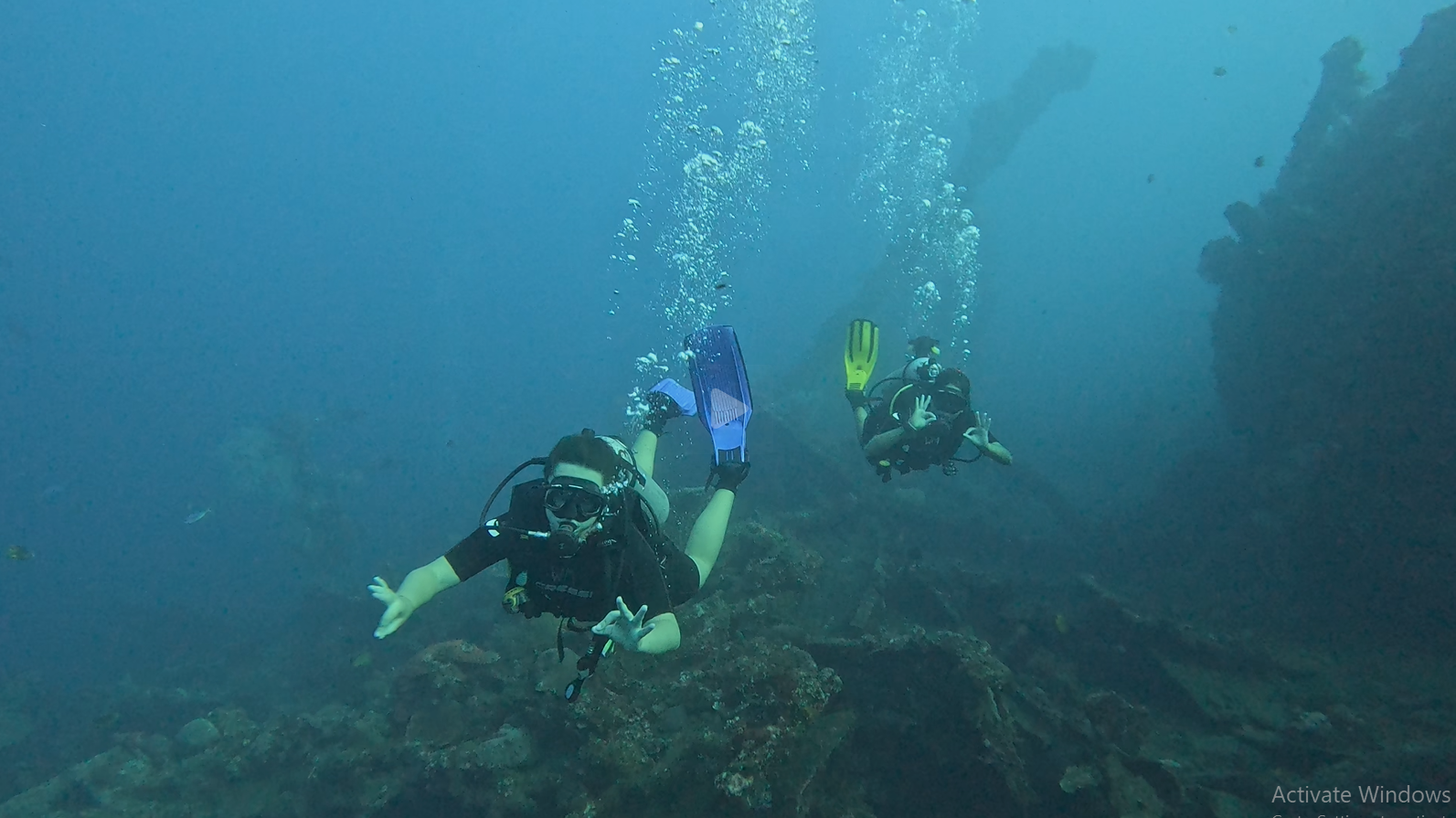
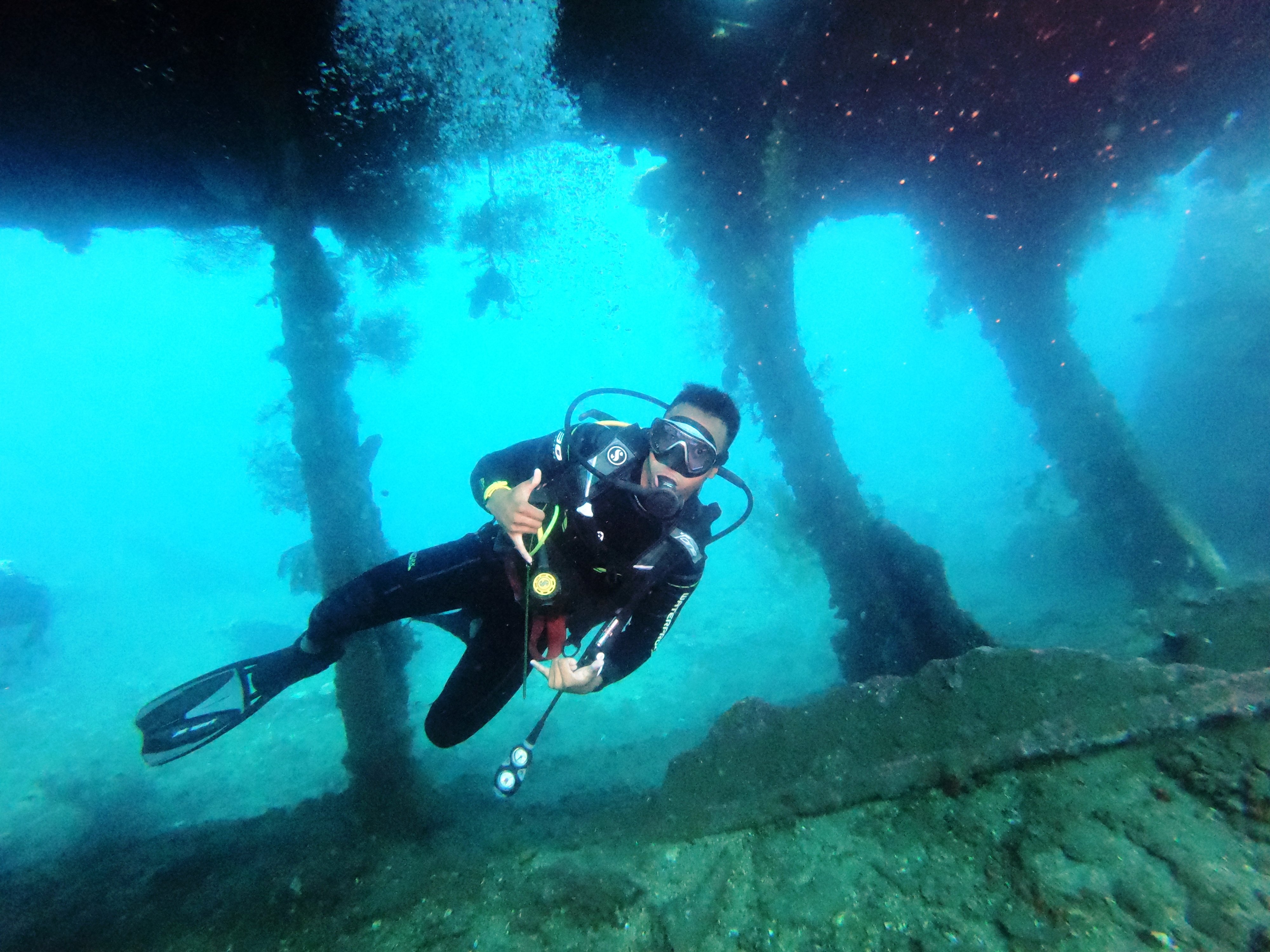
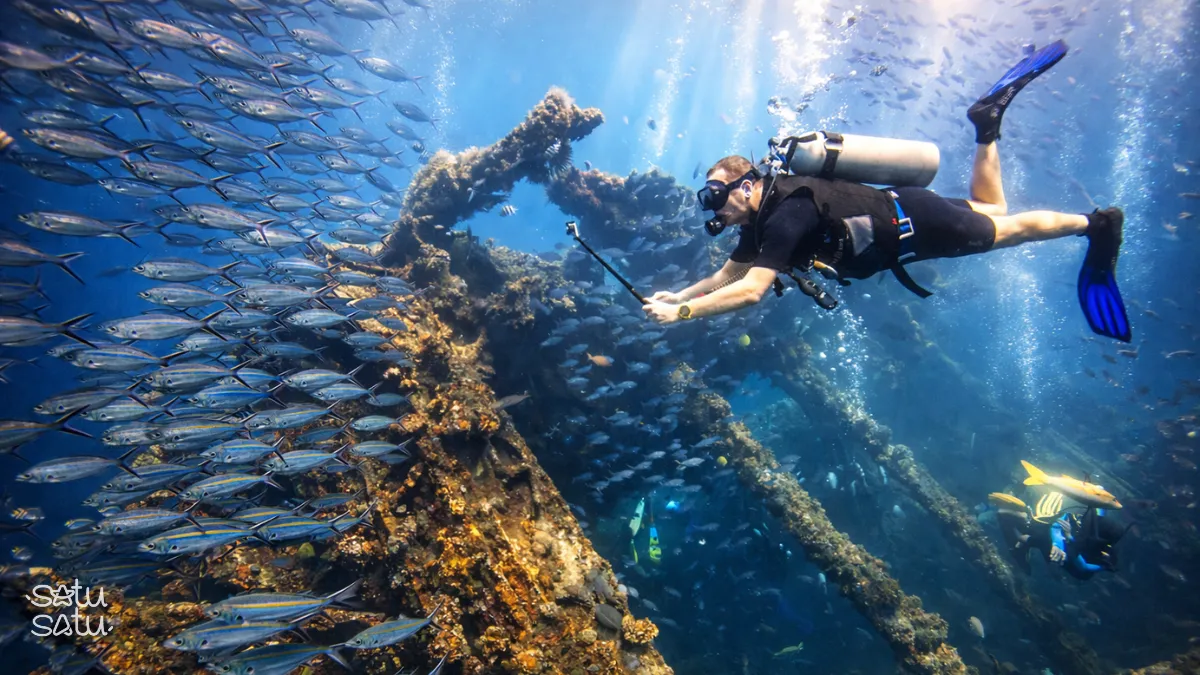
At Tulamben, you try scuba diving Bali's signature wreck site, entering through the ship's cargo bay and emerging near the stern gun mount. Your dive computer reads 12 meters, and visibility stretches far enough to see the entire hull section. A school of batfish drifts past, and your instructor points out a moray eel coiled in a gap between deck plates. The current is minimal, the water warm, and the wreck's structure provides constant reference points that ease any lingering disorientation. You surface after 35 minutes, shed your BCD on the beach, and log the dive — depth, time, marine life — in a waterproof slate.
All the details about your upcoming adventure in one place
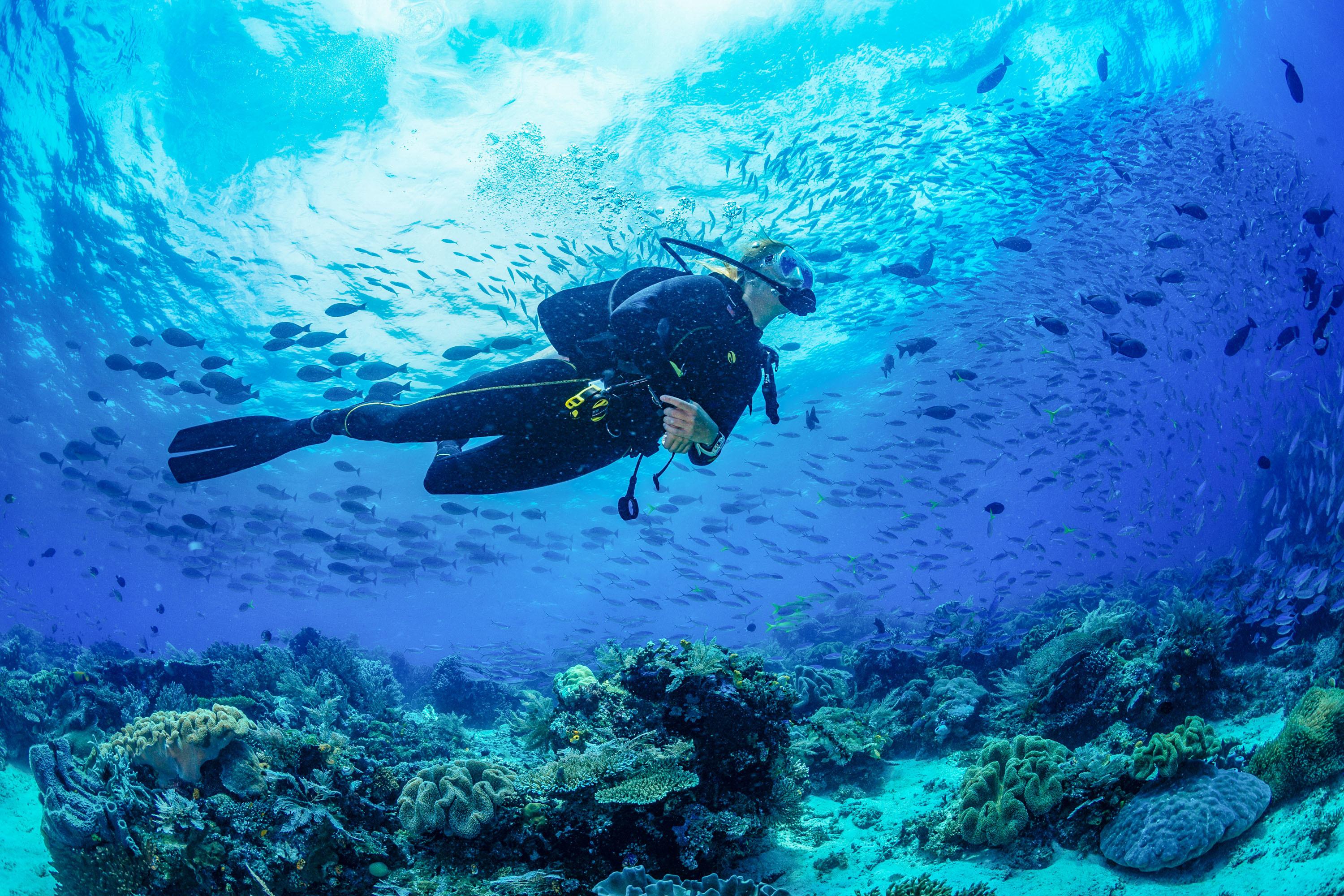
Bali's volcanic topography extends below the waterline, creating drop-offs, black-sand slopes, and sheltered bays that host over 500 coral species and year-round visibility averaging 15 to 30 meters.
The island's position within the Coral Triangle — the apex of marine biodiversity — means even shallow reef dives encounter humphead parrotfish, bumphead wrasse, and seasonal mola mola migrations between July and October. Water temperature hovers between 26 and 29 degrees Celsius, eliminating the need for thick neoprene and making Bali one of Southeast Asia's most accessible tropical dive destinations.
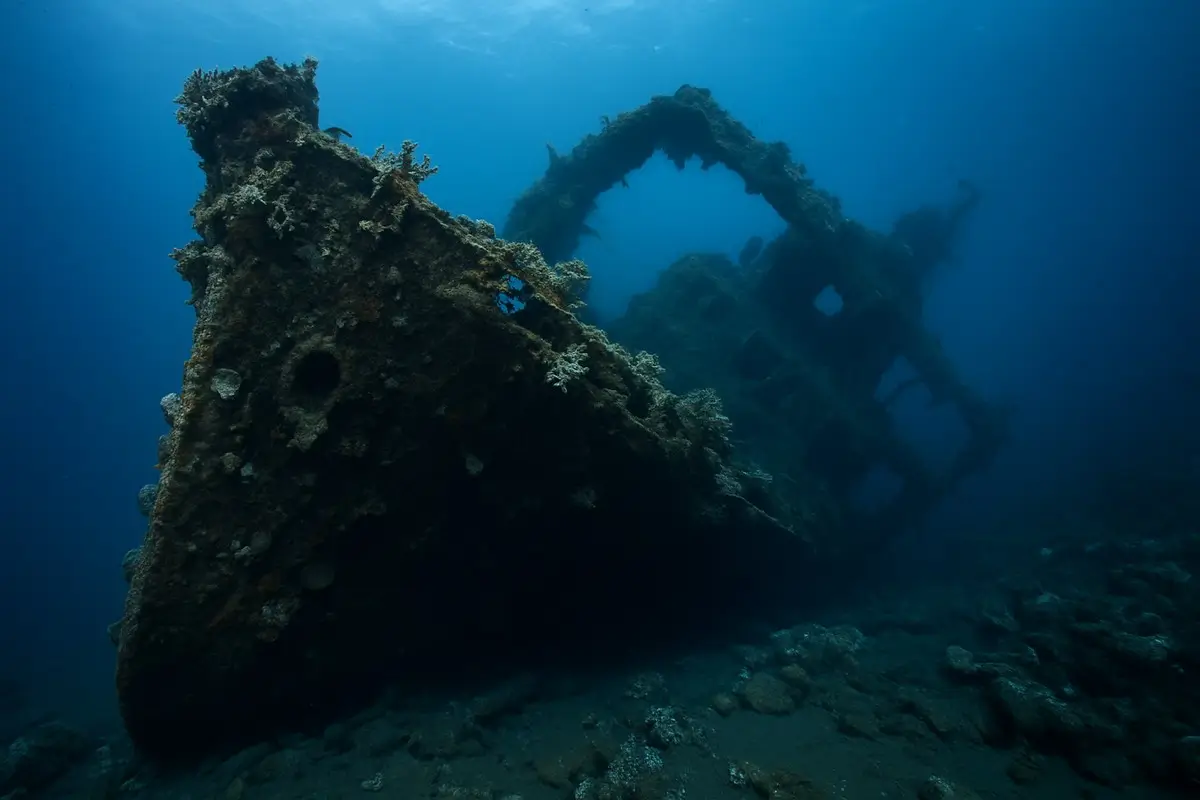
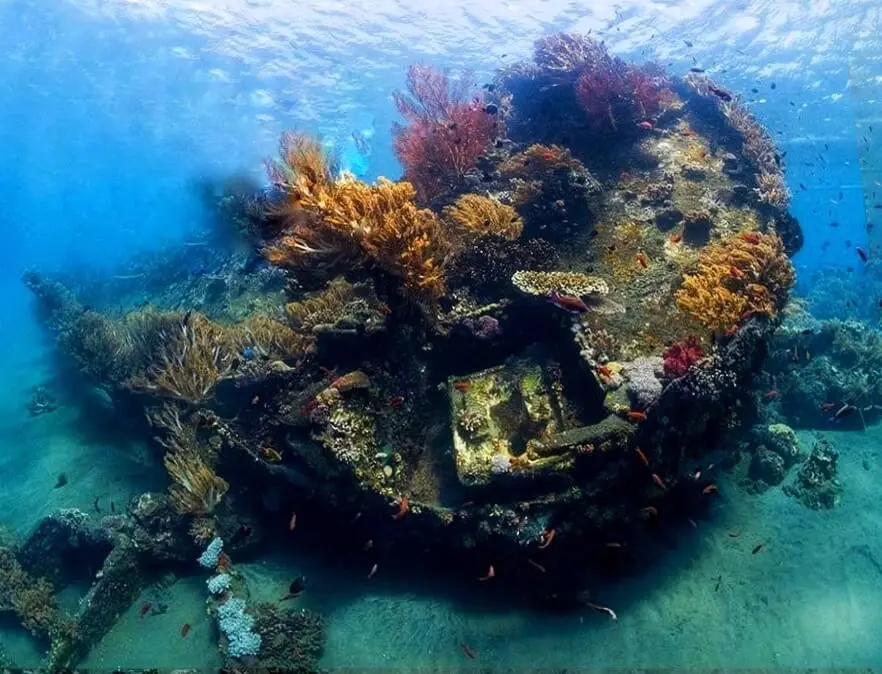
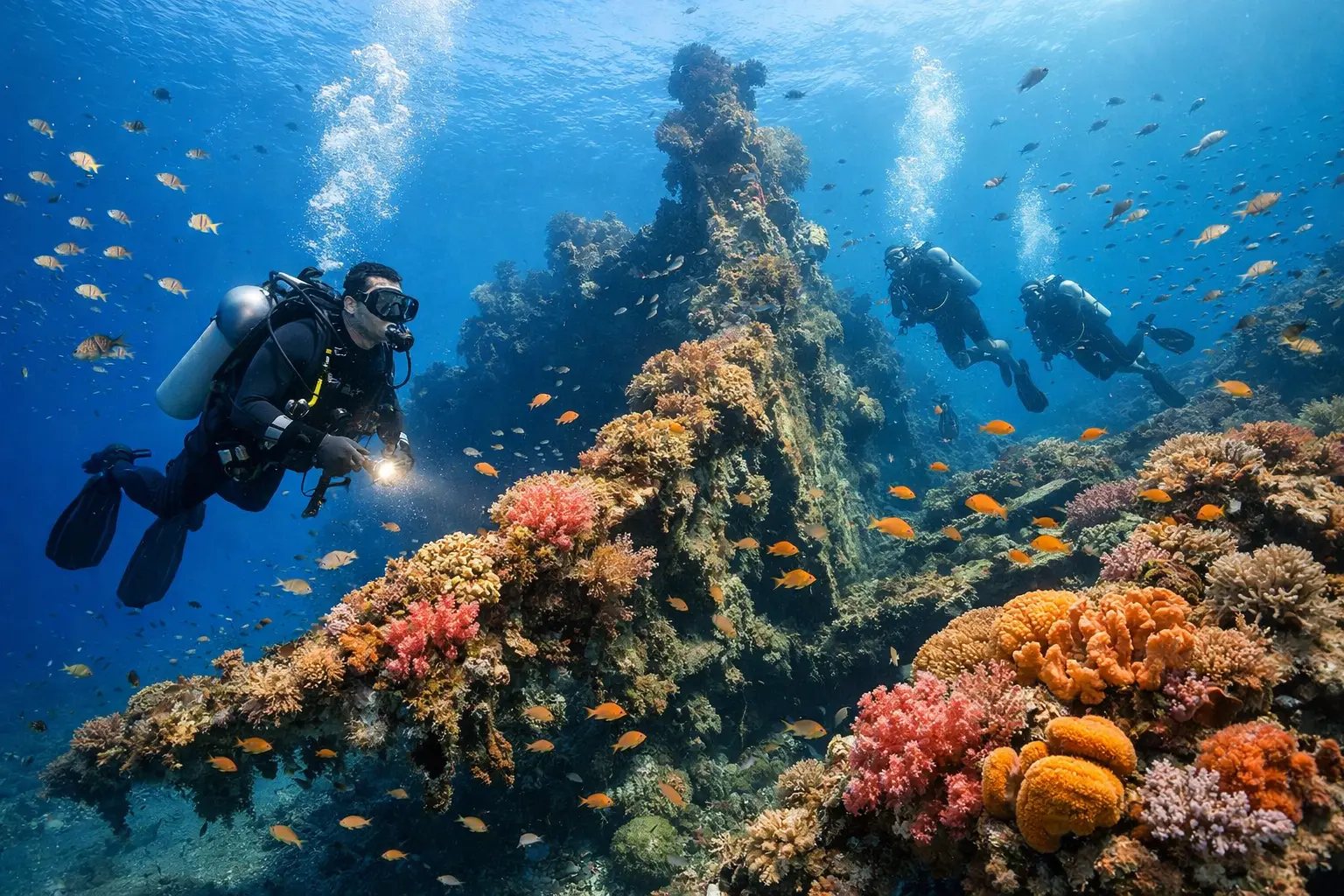
The island's most storied site lies off Tulamben's black-sand beach, where the USAT Liberty — a 120-meter cargo ship torpedoed in 1942 and beached during the 1963 Mount Agung eruption — now rests in 5 to 30 meters of water. Soft corals blanket the hull, and the holds shelter schooling jacks, pygmy seahorses, and resident barracuda. The wreck's shallow depth and protected position make it a cornerstone of try scuba diving Bali tours, allowing first-time divers to explore a historical artifact while mastering buoyancy control.
PADI Open Water certification courses condense classroom theory, confined-water drills, and four open-water dives into three intensive days, using sites like Padang Bai's Blue Lagoon and Amed's coral walls as training grounds. Instructors maintain a 4:1 student ratio, and equipment — including wetsuits, regulators, and buoyancy compensators — meets international servicing standards. Beginner programs include shallow reef dives at depths of 5 to 12 meters, where staghorn coral formations and clownfish anemones provide low-stress environments for first descents.
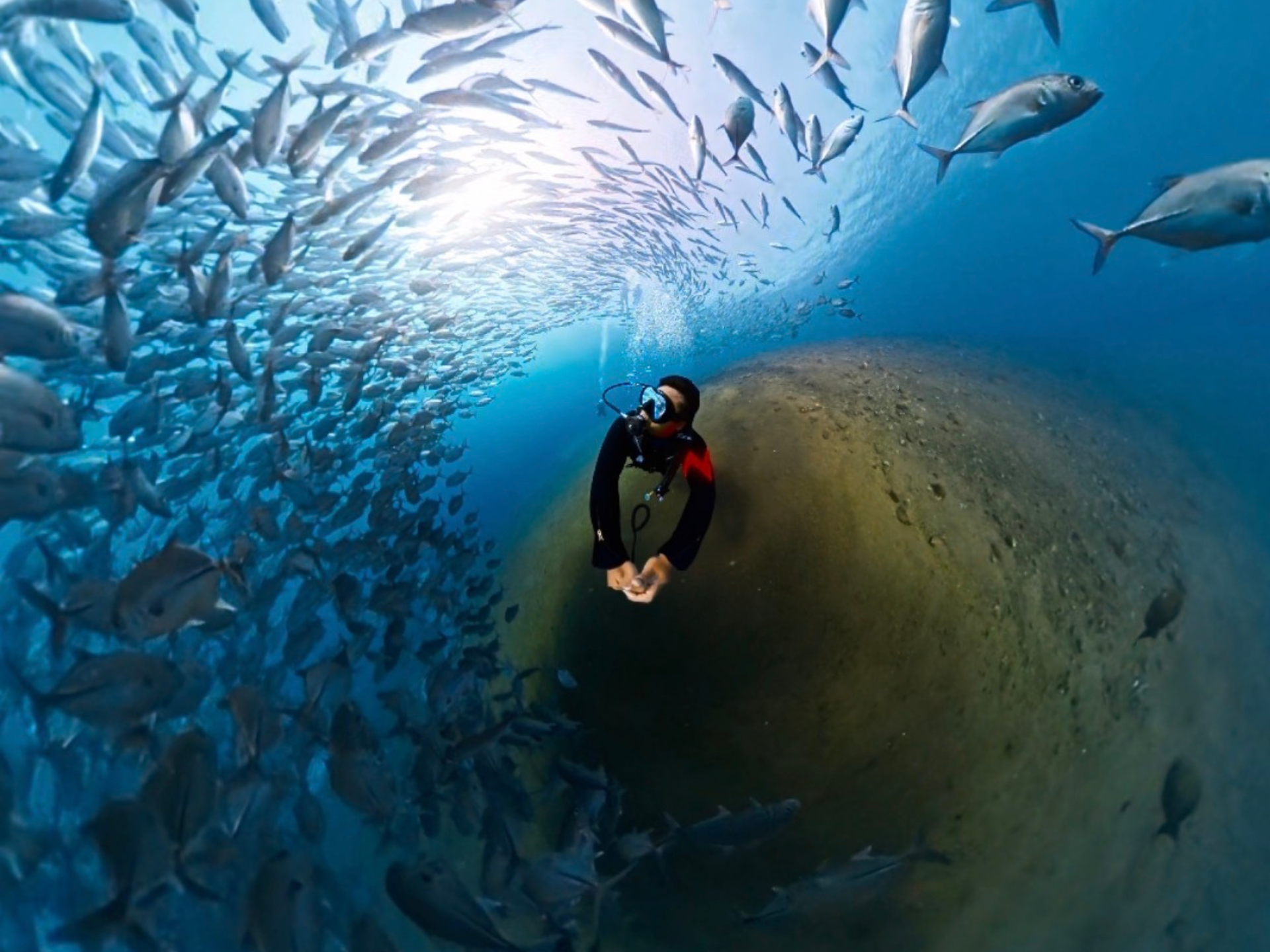
Nusa Penida's southern coastline offers advanced conditions — stronger currents, deeper walls, and pelagic species including manta rays at Manta Point and occasional oceanic sunfish. These sites require confident buoyancy and current-management skills, positioning them as aspirational post-certification objectives rather than first-dive venues. Operators offer Bali scuba diving for beginners across a gradient of difficulty, ensuring progression from sheltered bays to open-water drift dives aligns with skill acquisition.

The USAT Liberty's coral-encrusted holds now shelter pygmy seahorses and schooling jacks, transforming a wartime casualty into Bali's most accessible wreck dive.
Wear comfortable beach attire and swimwear. Bring a change of dry clothes for after your try scuba diving bali experience.
Keep valuables to a minimum. Most try scuba diving bali operators provide secure transport for your personal belongings.
Many operators provide free underwater photos or videos as part of your try scuba diving bali tour. Confirm camera rental availability when booking.
The try scuba diving bali program is suitable for children aged 10 and up. Confirm age minimums directly with your chosen operator.
Most coastal dive sites have uneven terrain. Inform your provider of any specific requirements before your try scuba diving bali session.
Lunch and snacks are often included in full-day try scuba diving bali packages. Bring a refillable water bottle for hydration.
Opening Hours
07:00–18:00
Address
Bali, Indonesia
Accessibility
Varies by site; notify operator of mobility needs
Best arrival
07:00–09:00
Storage
Ask your specific try scuba diving bali provider
Dive Areas
Nusa Penida, Tulamben, Amed, Padang Bai
Cancellation policies vary by provider, but typically require 24 hours notice for a refund. Entrance fee: 0 IDR (Free entry; fees apply only to scuba program packages.)
Recommended time
4-6 hours
To try scuba diving bali, plan for a half-day session that covers equipment fitting, safety briefings, and underwater sessions. Best arrival window: 07:00–09:00 — Early arrival ensures optimal water conditions and avoids midday boat traffic. Those booking try scuba diving bali tours should allow extra time for potential boat travel to dive sites, while those holding try scuba diving bali tickets for shore dives experience faster transitions. If you require extra practice with buoyancy or gear, allocate additional time in the morning.
Crowd levels through the day
Bali's transformation into a global scuba diving destination began in the 1960s when European marine biologists arrived to document the island's coral reef systems. The first recreational dive operation opened in Sanur in 1972, offering single-tank shore dives to backpackers willing to carry their own steel cylinders down the beach. By 1979, the discovery of the USAT Liberty wreck in Tulamben—a U.S. cargo ship torpedoed in 1942 and pushed ashore by the 1963 Mount Agung eruption—gave the island its first signature dive site. Word spread through diving magazines, and by the mid-1980s, liveaboard operators were charting routes to Nusa Penida's deep-water channels where manta rays congregated in cleaning stations. The 1990s brought certification agencies and standardized training protocols. PADI and SSI opened instructor development centers in Sanur and Pemuteran, and try scuba diving bali programs emerged as entry points for tourists with no prior underwater experience. These discovery dives, conducted in shallow bays under direct supervision, required no certification and could be completed in a single morning. The 1997 Asian financial crisis temporarily reduced visitor numbers, but it also forced operators to professionalize—insurance requirements tightened, equipment upgraded from surplus military gear to purpose-built recreational systems, and multilingual instruction became standard. The 2002 Bali bombings devastated tourism, and many dive centers closed permanently. Recovery was slow but deliberate. Operators in Amed and Tulamben shifted focus to marine conservation, establishing coral nurseries and promoting reef-safe practices. By 2010, try scuba diving bali tours had evolved into structured half-day experiences with video documentation and marine life briefings. The 2020 pandemic forced another reckoning—shops that survived pivoted to small-group models and stricter health protocols. Today, over sixty operators offer try scuba diving bali tickets across the island, from the black sand slopes of Amed to the drift channels of Nusa Lembongan, maintaining the balance between accessibility and reef preservation that defines modern Balinese diving culture.
First commercial dive shop opens in Sanur, offering shore dives with rented steel tanks.
USAT Liberty wreck in Tulamben becomes accessible to recreational divers, establishing Bali's most famous dive site.
Liveaboard operators chart routes to Nusa Penida, documenting manta ray cleaning stations in deep channels.
PADI and SSI open instructor centers, introducing standardized try-dive programs for non-certified tourists.
Bali bombings collapse tourism; many dive operations close, survivors pivot toward conservation initiatives.
Discovery dives evolve into structured half-day programs with video documentation and reef ecology briefings.
Pandemic forces industry consolidation; operators adopt small-group models and enhanced safety protocols.
Stand near the shore entry point to capture the calm morning waters before your try scuba diving bali session begins. This location allows for clear shots of the beach transition into the blue horizon.
Position yourself along the rocky shoreline to photograph the contrast between the dark volcanic sand and the bright tropical sea. This area is a staple for those joining try scuba diving bali tours.
Frame your shot from the water surface looking down into the shallow, vibrant reef that makes this a popular spot for try scuba diving bali tickets holders. The clarity of the water here provides a clear view of the coral formations.
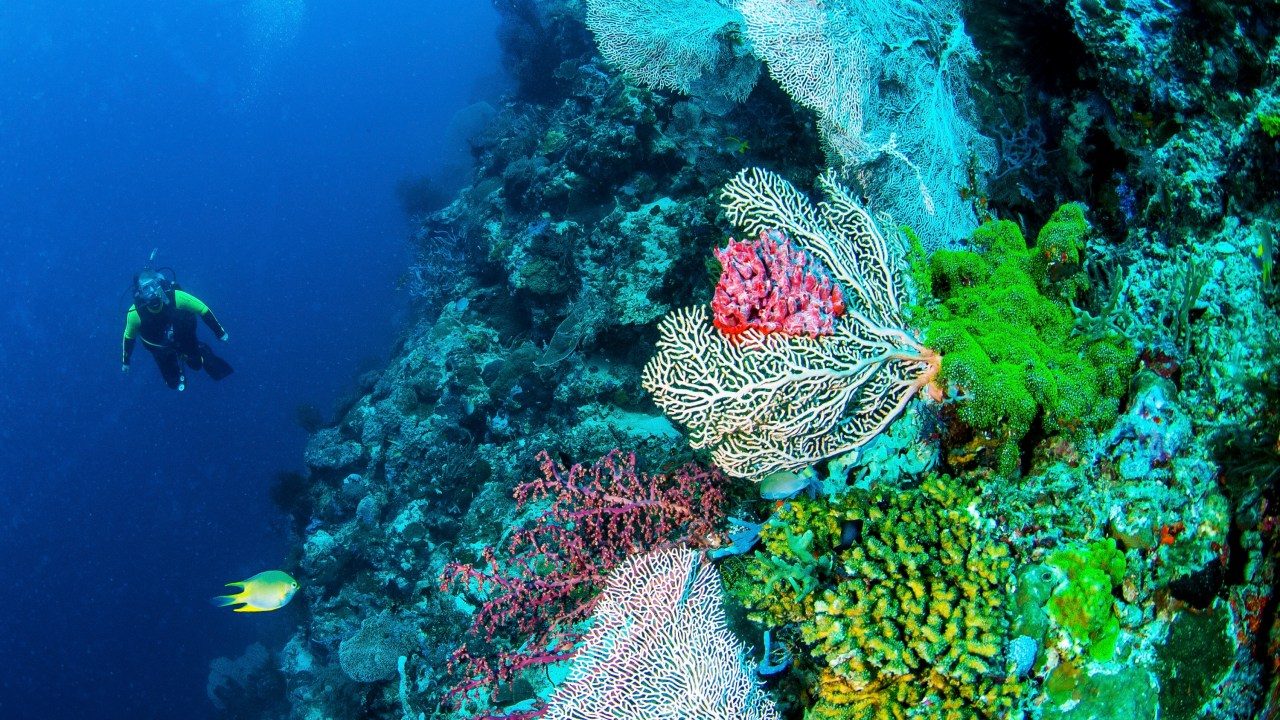
Capture the dramatic vertical drop-off of the coral wall which is a highlight for anyone on a try scuba diving bali tour. The deep blue background provides a clean setting for underwater photography.
Exploring the underwater world is a rewarding experience for families, provided you prepare for the specific requirements when you try scuba diving bali. Selecting the right operator ensures that both junior divers and those choosing to remain on the boat have a safe and comfortable excursion.
Most providers set a minimum age of 10 years for children to participate in a discover scuba program. Children younger than this can often join as snorkelers to observe the vibrant coral reefs
Parents must ensure all family members complete a medical questionnaire before any try scuba diving bali tour begins. Chronic conditions or recent respiratory issues require professional medical clearance prior to entering the water
While facilities at the beach are basic, many operators provide dedicated changing areas and rinse showers for guests. Look for partners that offer family-friendly boats with shaded decks and onboard restrooms for added convenience
The best arrival window is 07:00–09:00, which allows families to complete training in calm water before afternoon currents develop. This early start leaves your afternoon open for relaxing at your resort or booking try scuba diving bali tickets for a second outing
Standard packages include all necessary equipment such as masks, fins, and tanks scaled for younger participants. Ensure you confirm the availability of small-sized wetsuits if your children are sensitive to cooler water temperatures.
Visitors planning to try scuba diving bali will find several casual dining spots nestled along the coastlines of Tulamben and Padang Bai. These venues are perfect for refueling after you finish your underwater marine life exploration.
This cozy spot serves authentic Indonesian dishes like nasi goreng and fresh fruit juices. It is a reliable choice for a quiet meal when you have finished your try scuba diving bali tour.
Everything you need to know for your journey
Early arrival between 07:00–09:00 ensures optimal water conditions and avoids midday boat traffic.
You do not need to be an expert swimmer, but you should feel comfortable in the water.
Prices vary by package; ensure your try scuba diving bali booking includes all equipment and insurance.
Yes, the program is designed specifically for beginners with no prior experience.
The entrance fee is 0 IDR (Free entry; fees apply only to scuba program packages.)
The minimum age is typically 10 years old for a try scuba diving bali experience.
PADI guidelines recommend waiting 18 hours after your last dive before flying.
Most try scuba diving bali sessions last between 4 to 8 hours depending on the location.
Operators will typically reschedule or offer a refund if ocean conditions prevent safe diving.
Join thousands of happy travelers who have discovered this incredible experience
Book Your Experience Now