48 hr
2 Days Discover Scuba Diving in Nusa Lembongan - Scuba Initiation
- Expert local guide
- Small group
- Skip-the-line access
- Free cancellation
Scuba Diving Bali — PADI Sites, Wrecks & Manta Encounters
Volcanic walls and manta corridors, eight hundred metres of reef in a single drift.
Compare fares, pick the fit — all bookings are mobile-voucher and eligible for free cancellation where shown.
48 hr
6 hr
7 hr
| Experience | Duration | Rating | Skip-the-line | Guide | Small group | Free cancel. | Price | |
|---|---|---|---|---|---|---|---|---|
|
Guided Experience
Most popular
2 Days Discover Scuba Diving in Nusa Lembongan - Scuba Initiation
|
48 hr | ★ 5.0 | ✓ | ✓ | ✓ | ✓ | $145 | Book → |
|
Guided Experience
Scuba Diving in Nusa Penida - Manta Point
|
6 hr | ★ 4.9 | ✓ | ✓ | ✓ | ✓ | $175 | Book → |
|
Guided Experience
Discover Scuba Diving in Tulamben - Diving Initiation in Bali best diving sites
|
7 hr | ★ 5.0 | ✓ | ✓ | ✓ | ✓ | $86 | Book → |
Worth it for marine biodiversity seekers
Scuba diving Bali delivers exceptional value through unmatched marine biodiversity and varied underwater topography spanning coral gardens, dramatic drop-offs, and historic wrecks. The island hosts manta ray cleaning stations at Nusa Penida, the USS Liberty wreck in Tulamben—a 120-meter cargo ship encrusted with soft corals—and macro-rich muck sites in Amed where pygmy seahorses and mimic octopuses thrive. With visibility ranging 15–30 meters in peak season and water temperatures holding steady at 26–29°C, conditions favor extended bottom time. Most scuba diving bali tours bundle equipment, guides, and two-tank dives starting around 1,200,000 IDR, competitive against comparable Indo-Pacific destinations like the Philippines or Malaysia where similar biodiversity commands higher daily rates. The concentration of world-class sites within 90 minutes of Denpasar means less travel overhead. Divers prioritizing pelagic encounters, wreck penetration, and rare critter sightings extract maximum return; those seeking Caribbean-style ease or guaranteed whale shark encounters may find better matches elsewhere.
Bottom line: For divers valuing species diversity over pristine visibility, scuba diving bali tickets represent among the best cost-per-encounter ratios in Southeast Asia.
They complement each other; most visitors who do both call scuba diving bali the more immersive way to explore deep coral reefs. Those seeking low-commitment scuba diving bali tours often opt for snorkeling to stay near the surface.
|
Top pick Scuba Diving |
Snorkeling | |
|---|---|---|
| Experience depth | Up to 40 meters | Surface level |
| Required certification | Open Water or Intro Course | None required |
| Equipment burden | Heavy gear including tanks | Light mask and snorkel |
| Accessibility for beginners | Requires training and supervision | Highly accessible for all ages |
| Marine life encounters | Close proximity to reef ecosystems | Views from the water surface |
| Physical intensity | Moderate to high exertion | Low to moderate exertion |
| See tickets & prices |
Verdict: Choose the scuba diving bali tour for intimate contact with pelagic life, or select snorkeling for a relaxing, accessible encounter with vibrant shallow-water coral.
Hand-picked experiences loved by thousands of travelers
10h
Free Cancellation
Explore the iconic USAT Liberty shipwreck and Coral Garden on this Tulamben diving adventure
5h
Perfect beginner diving experience at Tulamben's world-famous Liberty Wreck site
72h
Free Cancellation
Premium package of 7 fun dives exploring Tulamben's rich marine life with expert guidance
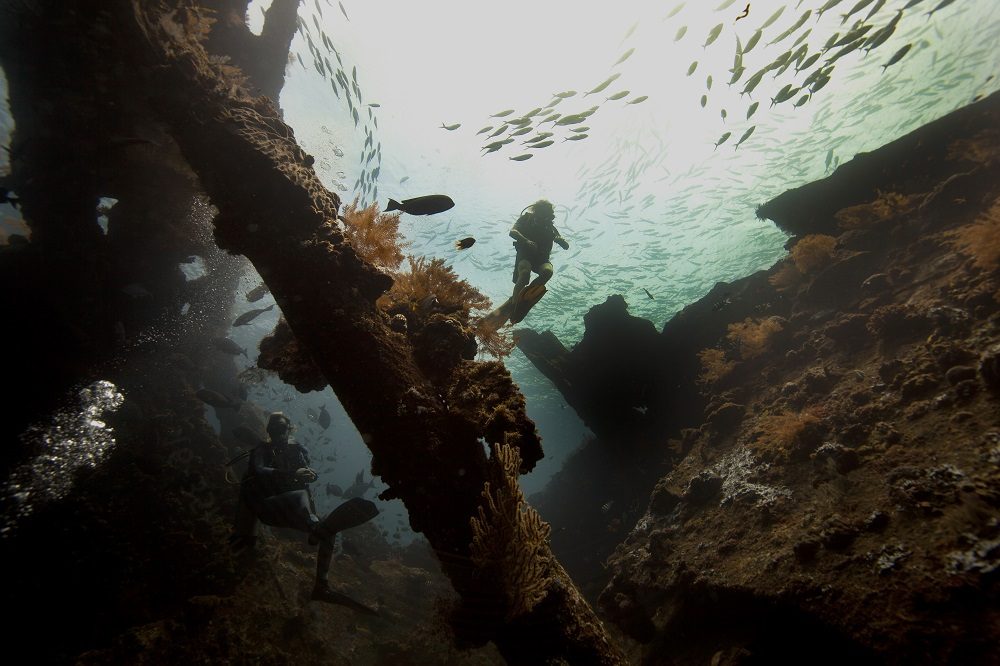
A world-famous shipwreck in Tulamben accessible from the shore with diverse marine life.
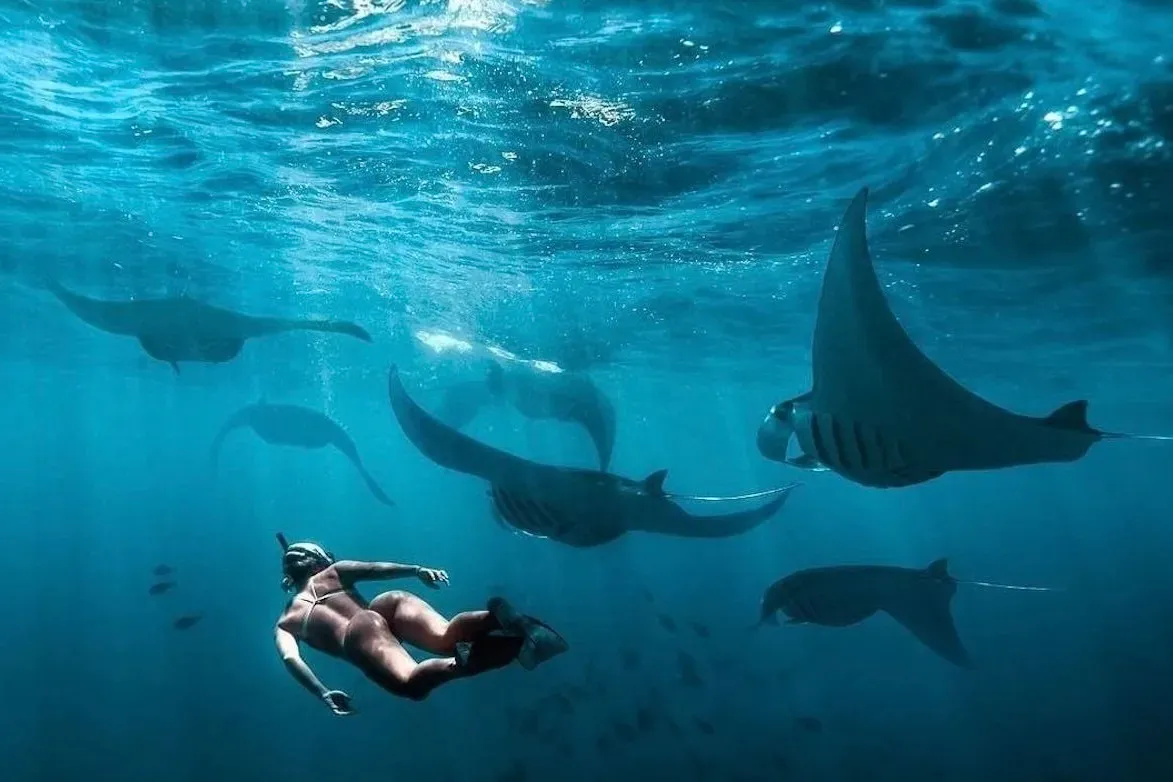
A primary location for observing manta rays in the strong currents of Nusa Penida.
A shallow, vibrant reef site ideal for macro photography and beginner divers.
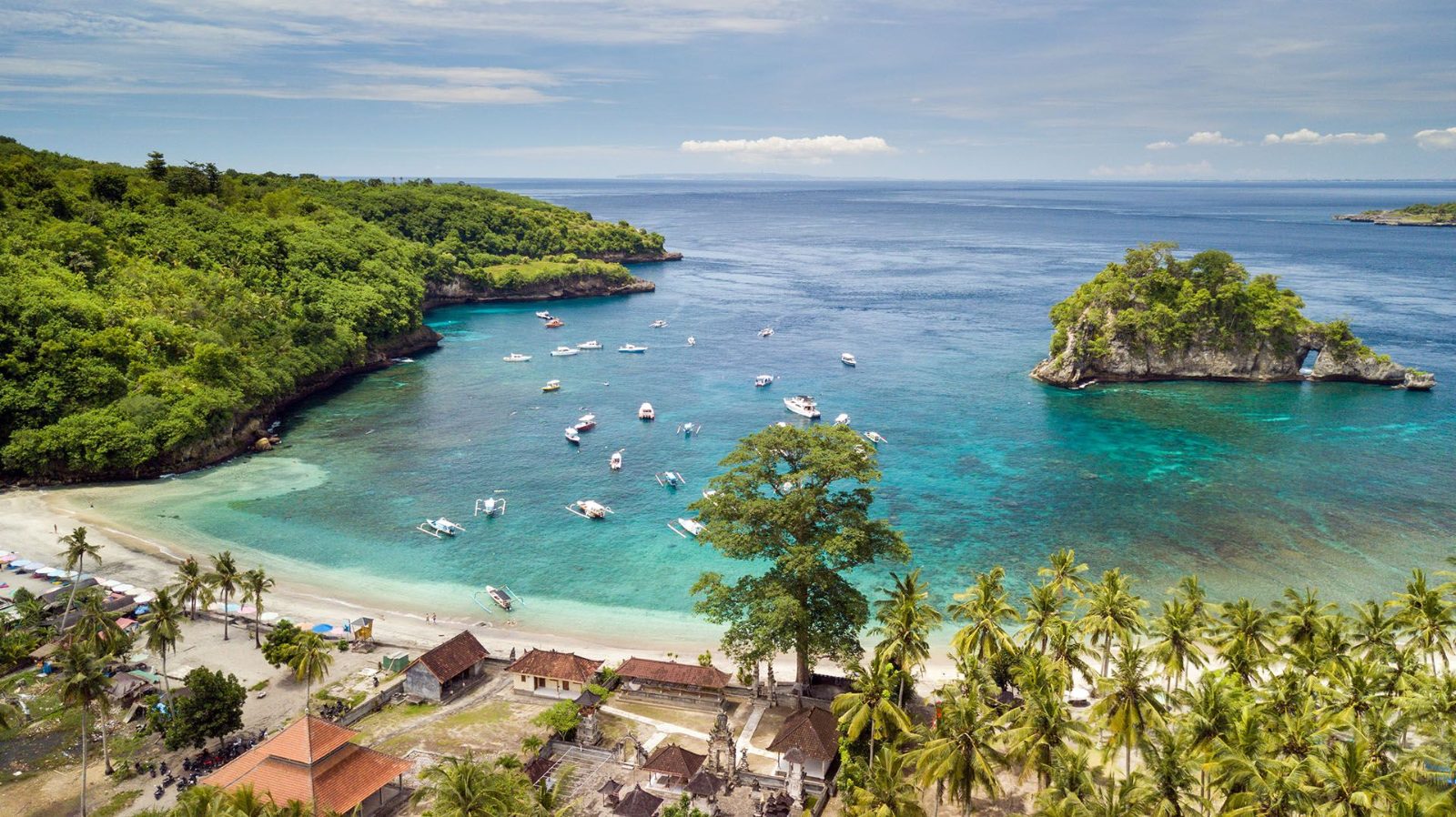
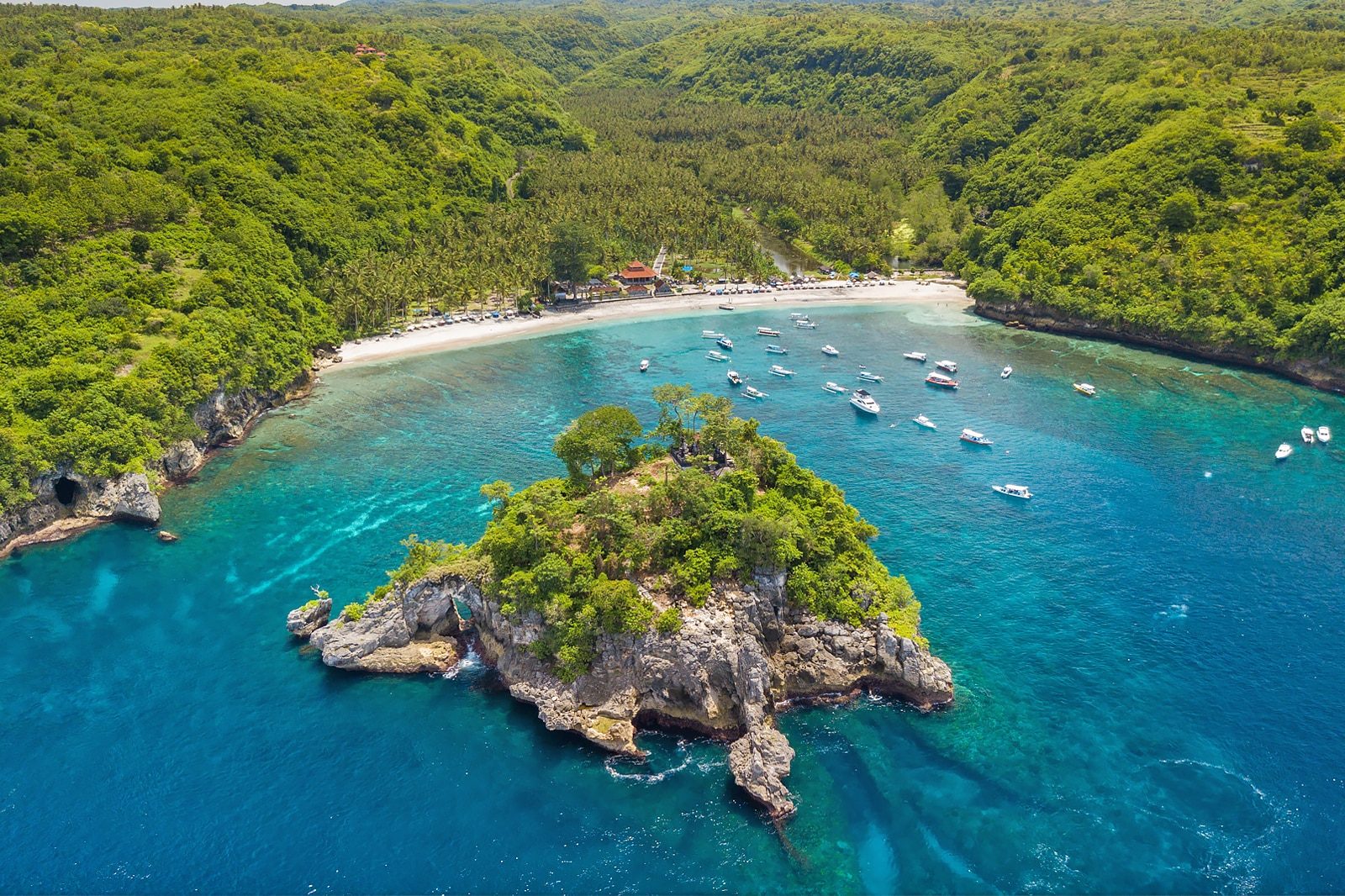
A protected, calm wall dive known for clear visibility and soft corals.
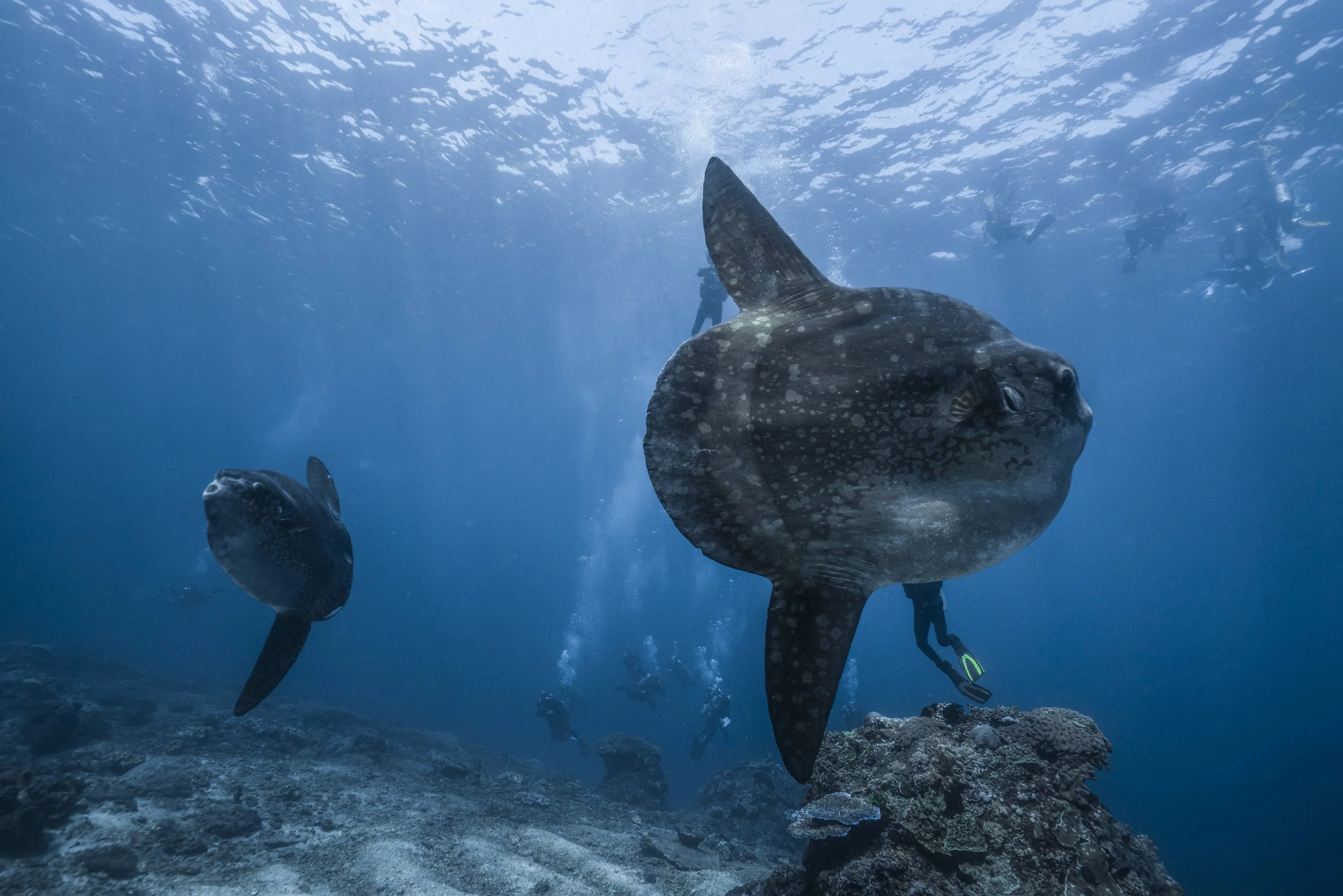
A serene bay known for potential mola-mola sightings in the dry season.
You arrive at the dive shop by eight in the morning, where your guide checks your certification card and runs through a site briefing with a laminated reef map spread across the counter. The boat departs twenty minutes later, cutting east toward Tulamben or south toward Padang Bai depending on the day's plan.
You spend the ride assembling your BCD and reviewing hand signals with the group.
The first descent brings you to a mooring buoy anchored above a coral slope. You equalise in stages, pausing at five metres to adjust your weight distribution and check your air gauge. The reef appears in layers: staghorn coral in the shallows, then barrel sponges and sea fans as the wall drops toward twenty metres. Your guide points out a hawksbill turtle grazing on soft coral, then signals toward a school of bumphead parrotfish cruising along the edge of the visibility line. You hold neutral buoyancy and drift with the current, ascending slowly after forty minutes to complete a safety stop at five metres before surfacing.
The second dive follows a similar profile at a different site, often a wreck or drift dive depending on your certification level. You spend the surface interval on the boat, logging your dive and reviewing underwater photos on the guide's camera. By noon you are back onshore, rinsing gear in freshwater troughs and collecting your logbook stamps before heading inland.
All the details about your upcoming adventure in one place
Explore vibrant coral reefs and marine biodiversity at premier dive sites across the island through scuba diving bali tours. Underwater encounters range from manta rays at Nusa Penida to reef sharks at Tulamben's USS Liberty wreck, while warm tropical waters maintain 26-29°C year-round. Certified instructors guide both beginners and advanced divers through Bali's underwater volcanic formations and tropical fish ecosystems.
Bali's reputation as a diving destination rests on geology as much as biology. The island sits at the confluence of the Indian Ocean and the Lombok Strait, where deep upwellings push nutrient-rich water onto shallow reefs and steep volcanic walls.
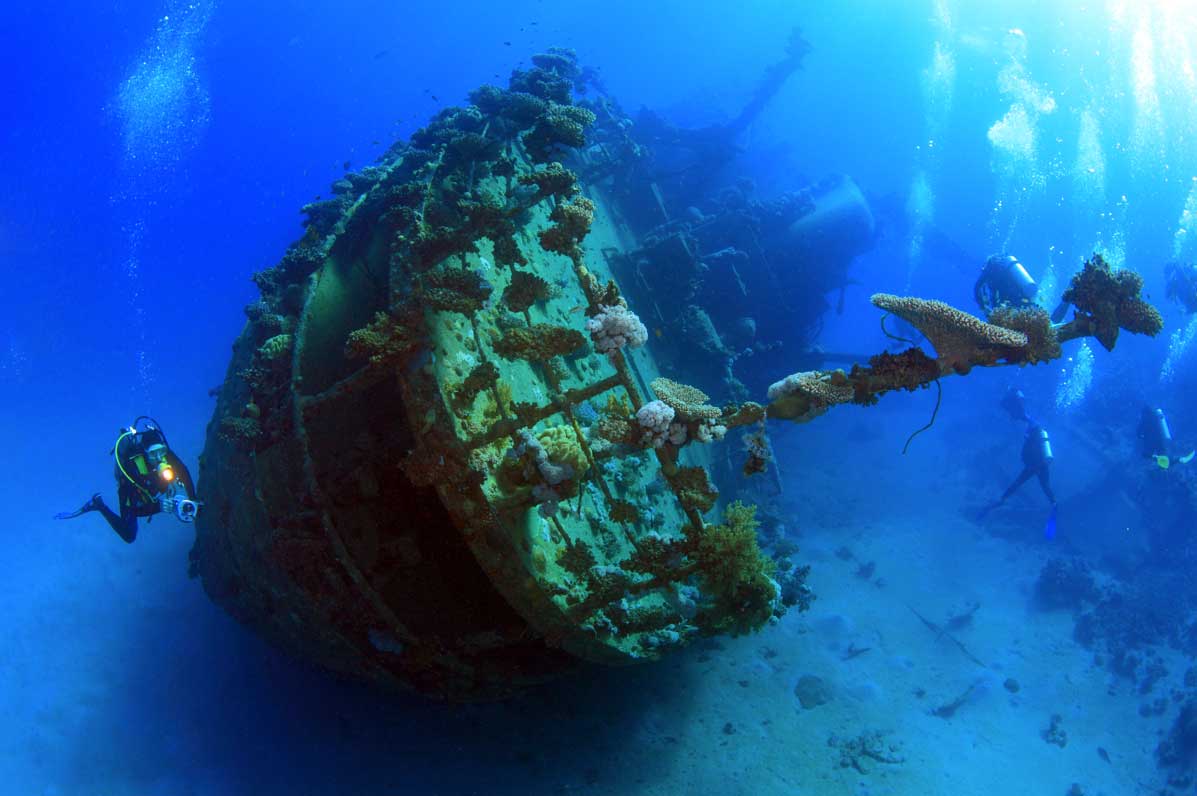
This convergence creates one of the highest marine biodiversity zones on the planet. More than 500 reef fish species and 250 coral species inhabit the waters surrounding the island, a density matched only by the Raja Ampat archipelago to the east. The range of dive sites spans beginner-friendly coral gardens in Amed, advanced drift dives along the cliffs of Nusa Penida, and the iconic USAT Liberty wreck in Tulamben, a 120-metre cargo ship that broke apart during a 1963 eruption and now rests between three and thirty metres of depth.
Scuba diving Bali price per person varies widely by site, operator certification, and group size. Entry-level packages in Amed and Tulamben typically include two tank dives, full equipment rental, and boat transfers. Scuba diving Bali Seminyak operators often focus on day trips to offshore sites rather than shore dives. The Nusa Penida corridor is reserved for divers with advanced open-water certification due to strong downcurrents that can exceed two knots during spring tides. Manta Point and Crystal Bay remain the most requested dive sites on the island, with sightings of oceanic manta rays occurring year-round but peaking between April and November when plankton blooms draw the mantas into cleaning stations along the southern coast.
The island's dive infrastructure expanded rapidly after 2010, driven by international demand and the proliferation of PADI five-star certification centers. Most operators now maintain fleets of rigid-hull inflatables and offer nitrox fills, underwater photography services, and multilingual dive masters. Conservation pressure has increased in parallel. The Coral Triangle Initiative established marine protected areas around Menjangan Island in the northwest and portions of the Tulamben coast, prohibiting anchoring and limiting daily diver quotas to reduce reef damage. Scuba diving Bali Indonesia now operates under a dual framework of commercial access and regional stewardship, with operators required to carry Ministry of Tourism permits and adhere to no-touch protocols enforced by local reef watch groups.
Visibility fluctuates with the monsoon calendar. The dry season from May through October delivers fifteen to thirty metres of horizontal visibility, ideal for macro photography and reef surveys. The wet season compresses visibility to eight to twelve metres but brings larger pelagic species inshore, including occasional whale shark sightings off the eastern coast. Water temperature holds steady between 26 and 29 degrees Celsius year-round, requiring only a three-millimetre wetsuit for thermal protection. Scuba diving Bali remains accessible to recreational divers of all certification levels, provided the site selection matches the skill profile and the operator maintains current liability insurance and emergency oxygen protocols.

More than 500 reef fish species and 250 coral species inhabit the waters surrounding the island, a density matched only by the Raja Ampat archipelago to the east.
Wear modest clothing when visiting land-based temples before or after your scuba diving bali trip. On boats, light beachwear is standard.
Keep personal items in waterproof dry bags during boat transfers. Ensure passports and valuables remain in secure hotel storage.
Bring extra batteries or a power bank for underwater cameras, as charging points are scarce at remote scuba diving bali sites.
Family-friendly operators provide guided snorkeling or discover scuba programs. Always confirm instructor-to-student ratios for your scuba diving bali experience.
Diving requires basic swimming proficiency and medical clearance. Check with operators regarding specific physical requirements for scuba diving bali tours.
Bring reusable water bottles and stay hydrated between dives. Most scuba diving bali tour operators include lunch on full-day trips.
Opening Hours
08:00–18:00
Address
Bali, Indonesia
Site Access
Diving areas via operator services
Best Window
08:00–10:00
Gear Storage
Available at dive centers
Dive Regions
Tulamben, Amed, Nusa Penida
Check with your specific operator for window terms. Entrance fee is 0 IDR as diving costs are bundled with services.
Recommended time
4-6 hours per day
Planning your scuba diving bali experience requires balancing boat logistics with tidal conditions to ensure optimal underwater visibility. We recommend booking scuba diving bali tours well in advance to secure equipment and experienced dive masters for your chosen sites. While scuba diving bali tickets are not required as individual entry permits, coordinating with local operators is essential to navigate the morning currents effectively.
Crowd levels through the day
Position yourself near the barnacle-covered bow section to capture the massive school of jackfish swirling against the steel hull. This iconic site is central to scuba diving bali photography, providing deep contrast between sunlight filtering through the structure and the wreckage interior.
Wait patiently near the cleaning stations at depths of 20-30 meters for the elusive ocean sunfish to appear. Photographers often use wide-angle lenses here to frame the scale of these visitors against the deep blue backdrop of these scuba diving bali tours.
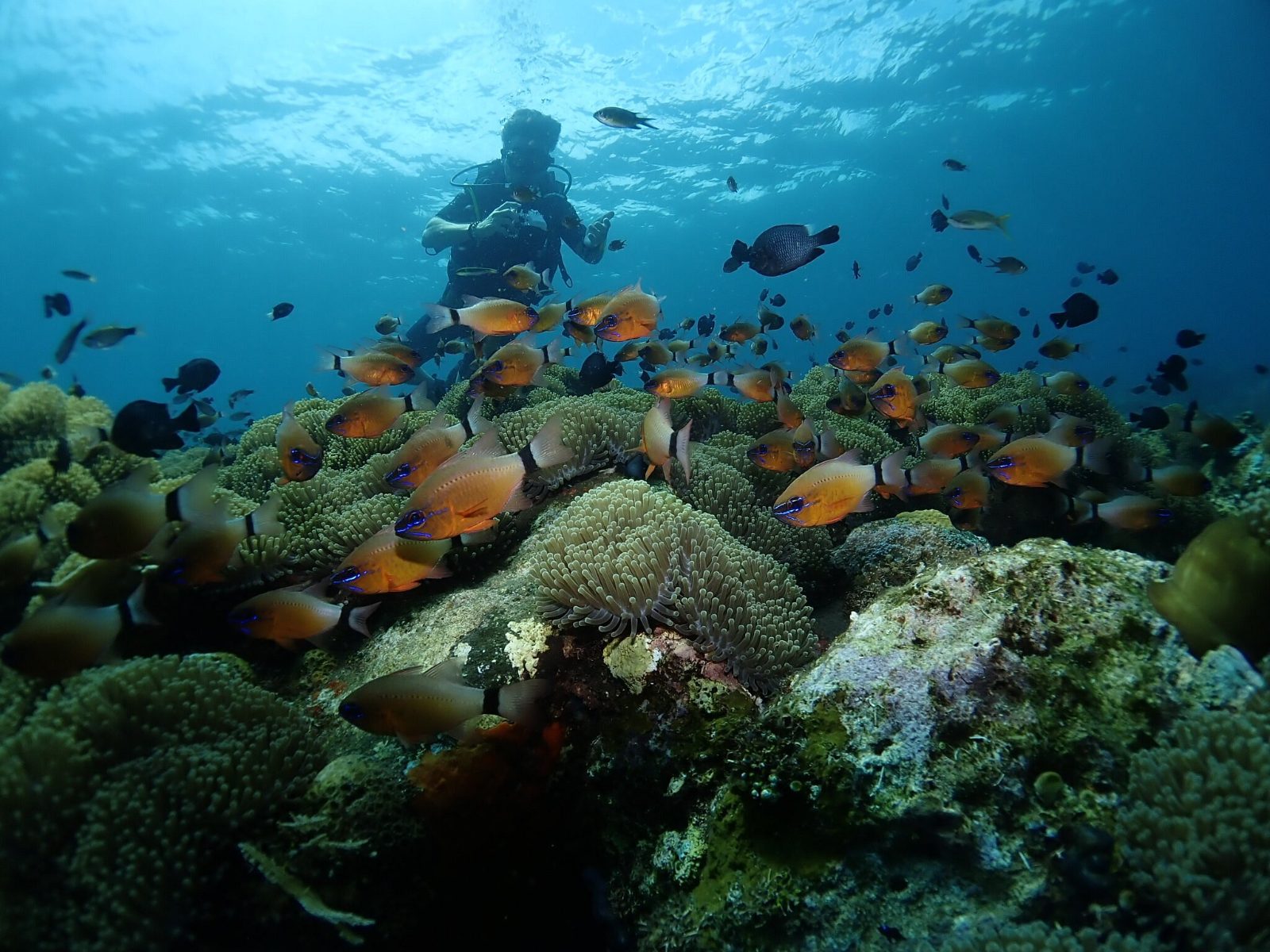
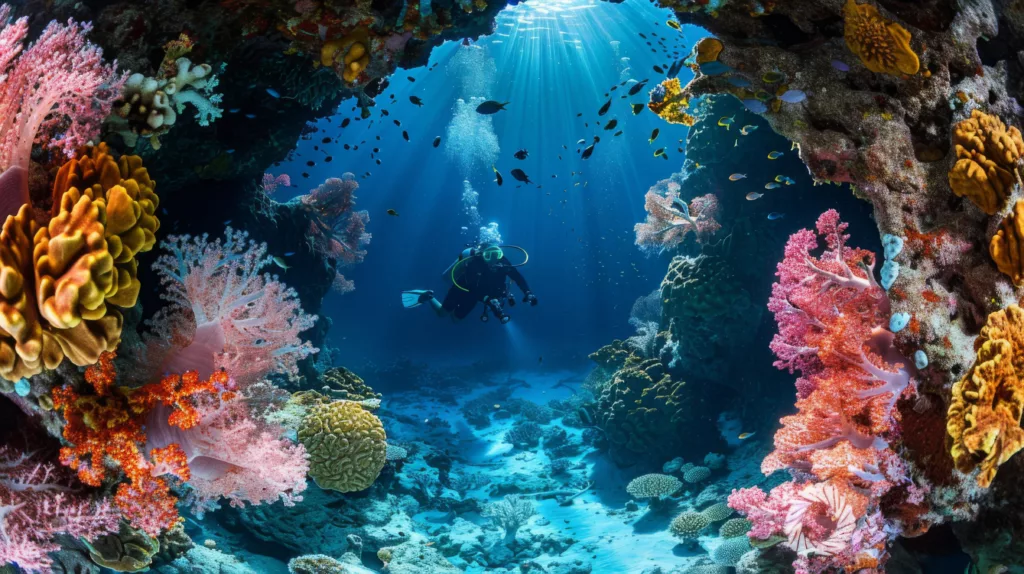
Capture vibrant soft corals and sea anemones in the shallows where natural light penetrates fully for macro shots. This site offers excellent color saturation for those booking a scuba diving bali tour to refine their buoyancy and framing techniques.
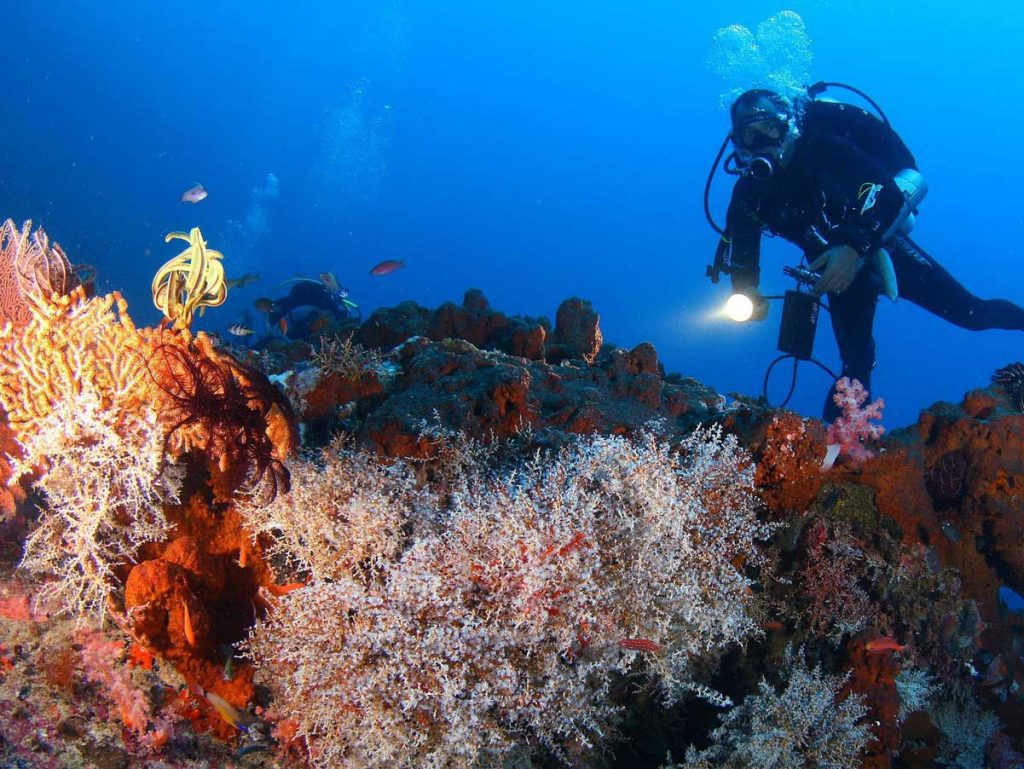
Position your camera along the vertical wall to capture the sheer scale of the coral fans and sponges clinging to the steep incline. Using a strobe is essential for bringing out the intricate textures found while utilizing your scuba diving bali tickets to explore this submerged topography.
Dining options near scuba diving bali sites range from relaxed beachfront cafes to local warungs, offering ideal settings to refuel after underwater excursions. Most hubs provide convenient access to coastal eateries perfect for those finishing scuba diving bali tours.
This venue offers healthy Mediterranean-inspired dishes and panoramic ocean views suitable for post-dive recovery. It is a popular spot for travelers booking a scuba diving bali tour to gather and share experiences.;Warung Sabar
Real experiences from real travelers
We dove at several sites around Nusa Penida and the marine biodiversity exceeded all expectations. The manta ray cleaning station at Manta Point delivered an encounter with four mantas circling just meters away. Water temperature was comfortable at 27 degrees, and our dive guide pointed out nudibranchs and ghost pipefish we would have missed.
The Liberty shipwreck in Tulamben remains one of the most accessible wreck dives in Indonesia. We completed two dives here, exploring different sections of the coral-encrusted hull at depths between 9 and 30 meters. Schools of jackfish and bumphead parrotfish patrol the wreck, and the volcanic sand slope nearby hosts frogfish and scorpionfish.
Scuba diving Bali offers world-class muck diving for macro enthusiasts. Our night dive in Amed revealed blue-ring octopus, bobtail squid, and ornate ghost pipefish. The volcanic sand substrate might look barren at first glance, but patient observation rewards you with rare critters. Dive operators here know every cleaning station and resident species.
Completed my advanced open water certification at Padang Bai with calm conditions and clear instruction. The drift dive through the channel between Bali and Nusa Penida showed me strong currents and proper technique for drift diving. Visibility varied between 15 and 25 meters across four days of diving.
Traveled specifically for mola mola season and we were fortunate to encounter two oceanic sunfish at Blue Corner dive site. The deep dive to 30 meters in cold thermocline water requires proper exposure protection, but seeing these massive fish makes it worthwhile. Scuba diving Bali tours during August through October offer the best chances for mola mola.
The coral gardens at Menjangan Island in northwest Bali remain pristine compared to more trafficked sites. Wall dives here drop to 60 meters, with gorgonian fans, black coral trees, and resident whitetip reef sharks. The marine park protection shows in the healthy hard coral coverage and abundant reef fish populations.
Booked a five-day diving package that covered sites from Tulamben to Nusa Penida. Equipment was well-maintained, safety briefings were thorough, and dive guides adjusted profiles based on current conditions. The variety of dive environments—from muck to walls to drift dives—showcases why scuba diving Bali attracts divers of all experience levels.
Combining wreck penetration at the Liberty with deep wall dives at Amed gave us a comprehensive Bali diving experience. The Liberty's structure supports massive schools of baitfish that create living walls of silver when you shine your light. Drop-off dives revealed larger pelagics including tuna and occasional reef sharks patrolling the blue.
Getting dive gear to remote sites requires planning, but operators handle logistics smoothly. We dove Secret Bay for rare critters, then switched to Nusa Penida for bigger animals. Scuba diving Bali tickets through established operators include transport, tanks, weights, and multilingual guides. The infrastructure supports both technical and recreational diving.
Completed twelve dives over six days with visibility consistently above 20 meters. Water temperature stayed between 26 and 28 degrees, eliminating the need for thick wetsuits except at deeper mola mola sites. The diversity of marine life—from tiny nudibranchs to four-meter manta rays—keeps every dive interesting. Local dive shops maintain high safety standards and respect marine park regulations.
Everything you need to know for your journey
Operators generally facilitate activities between 08:00–18:00. Always arrive during the best arrival window of 08:00–10:00 for optimal visibility.
The dry season from May to October is considered ideal for scuba diving bali.
Yes, many centers offer introductory programs for beginners, though certification is recommended for advanced scuba diving bali tours.
Bring your certification card, a 3mm wetsuit, reef-safe sunscreen, and a logbook for your scuba diving bali trip.
Entrance fee is 0 IDR; fees are bundled into your operator services or site permits.
Yes, booking your scuba diving bali tour in advance ensures availability of equipment and instructors.
Yes, Nusa Penida is a popular site for manta ray encounters during your scuba diving bali adventure.
Equipment is typically included, but check with your specific operator to confirm their gear list for scuba diving bali.
Dive sites are reached via boat or shore entry, often coordinated through transport included in your scuba diving bali booking.
Join thousands of happy travelers who have discovered this incredible experience
Book Your Experience Now